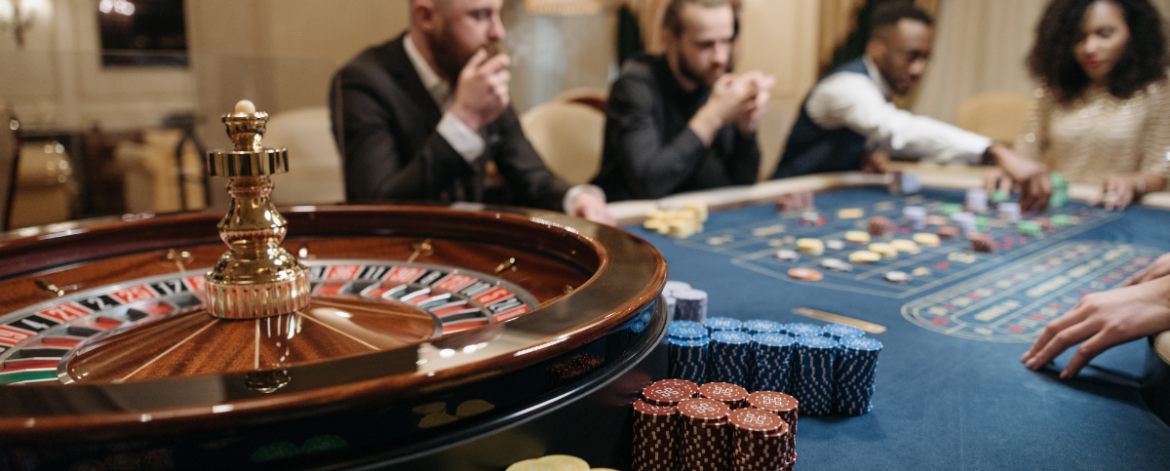

Gambling addiction is often harder to picture in treatment than substance addiction there’s no detox, no visible physical withdrawal, which can make the idea of “going to rehab” for it feel confusing or even unnecessary. But the psychological grip of a gambling addiction can be just as serious, and treatment for it is a real, structured process. This article explains what gambling addiction treatment in Spain looks like, from the first confidential call to building a life without gambling.
What we often see at Revelia is that people delay reaching out for gambling addiction because it doesn’t look like what they imagine “rehab” to be there’s no detox, so it doesn’t feel serious enough to deserve treatment. Yet by the time someone starts searching for help, gambling has often already affected their finances, their relationships, their sleep and their sense of who they are.
If that sounds familiar, it’s worth saying clearly: losing control over gambling is not a character flaw or a lack of discipline. It’s a recognised condition gambling disorder is classified in the DSM-5 alongside substance use disorders and it responds to structured, professional support.
Why Gambling Addiction Needs Structured Treatment, Not Just Willpower
Most people with a gambling problem have already tried to stop on their own often many times. They delete the app, promise themselves “never again”, set a limit, or decide to win back what they’ve lost and then quit. When those attempts don’t last, it’s easy to conclude that the problem is weak willpower. In reality, the problem is how gambling interacts with the brain.
What gambling does to the brain
Gambling activates the brain’s reward system, the same circuitry involved in substance addictions. Each bet triggers the release of dopamine, a chemical messenger linked to anticipation and motivation. Importantly, dopamine responds not only to winning, but to the possibility of winning the moment before the result.
Gambling also works on what psychologists call intermittent reinforcement: rewards arrive unpredictably. You don’t win every time, but you win sometimes, and you never know when. This unpredictable pattern is one of the most powerful ways to shape behaviour, and it’s the reason gambling can feel so hard to walk away from. Near misses almost winning can keep that anticipation alive even when you’re losing.
Over time, several things tend to happen:
- Tolerance — larger stakes or more frequent betting are needed to feel the same excitement.
- Chasing losses — the urge to keep gambling to win back money already lost, which often deepens the losses.
- Preoccupation — thoughts about gambling, planning bets or finding money to gamble with start taking up more mental space.
- Restlessness or irritability when trying to stop — a psychological form of withdrawal, even without physical symptoms.
Why “just stopping” rarely works long-term
Stopping gambling for a few days or weeks is possible for many people. Staying stopped is harder, because the underlying drivers are still there: stress, debt, loneliness, boredom, low mood, or the habit of using gambling to escape difficult feelings. Without addressing those drivers and without practical changes to access and money the same patterns tend to return.
If you’re still trying to work out whether what you’re experiencing is a problem, our article What Are the Symptoms of a Gambling Addiction? walks through the key signs in more detail.
The First Step: A Confidential Conversation, Not a Commitment
For many people, the first call is the biggest hurdle. It can feel like admitting something out loud for the first time, or like agreeing to something you’re not ready for. It’s neither.
A confidential first call isn’t a commitment to anything it’s just a chance to find out what’s actually going on and what help would look like.
In our experience speaking with people considering treatment for gambling, that first conversation usually covers:
- What your gambling looks like — what type (sports betting, online casino, slots, poker, trading-style betting), how often, and how it has changed over time.
- How it’s affecting your life — finances, work, relationships, sleep, mood.
- What you’ve already tried — and what happened when you tried it.
- Other things going on — stress, anxiety, low mood, alcohol or other substance use, which commonly appear alongside gambling problems.
- What you’re hoping for — whether that’s information, support for a family member, or a clear sense of treatment options.
Nothing is decided on that call. You can ask as many questions as you need, take time to think, or simply use it to understand your situation better. Many people also call on behalf of a partner, parent or adult child that’s equally welcome.
What Gambling Addiction Treatment in Spain Actually Involves
Because there’s no substance to detox from, treatment for gambling focuses directly on the psychological, emotional and practical sides of the addiction. That doesn’t make it lighter in many ways, it means the core work starts from day one.
Cognitive Behavioural Therapy for behavioural addictions
Cognitive Behavioural Therapy (CBT) is one of the most widely used and researched approaches for gambling problems. In this context, it focuses on:
- Identifying distorted beliefs about gambling — such as “I’m due a win”, “I have a system”, or “I can control the outcome”. These cognitive distortions are common and can keep people gambling long after it has stopped making sense.
- Recognising the chain that leads to a bet — the thought, feeling or situation that comes before the urge, and what happens next.
- Building alternative responses — practical ways to tolerate urges, manage stress and fill the time and space gambling used to occupy.
Working on financial and emotional triggers
Gambling triggers are often both emotional and financial. A stressful day, an argument, payday, a notification about a big match, or the sight of a bank balance after losses can all set off the urge to bet. Treatment helps you map these triggers specifically and plan a response for each one, rather than relying on resisting them in the moment.
Managing access to money and betting apps
Practical barriers are a central part of treatment. Depending on your situation, this may include:
- Blocking gambling transactions through your bank, where this option is available.
- Using gambling-blocking software on phones and computers.
- Self-exclusion schemes, such as national registers that prevent you from opening or using gambling accounts (for example, GAMSTOP in the UK, or Spain’s official self-exclusion register for gambling).
- Temporarily sharing financial oversight with someone you trust, if that feels right for you.
These measures aren’t about punishment or control they create space between the urge and the action, so the skills you’re learning in therapy have time to work.
An honest note on outcomes
Treatment for gambling addiction can help people regain control, rebuild trust and repair their finances over time. But no centre can honestly promise a “cure” or guarantee a particular result. Recovery is a process that depends on many factors, and treatment is designed to give you the tools, support and structure to make that process more manageable not to remove the work involved.
Why Online Gambling Makes Treatment Different From a Few Years Ago
Not long ago, gambling usually meant going somewhere: a betting shop, a casino, an arcade. Getting away from the environment meant physically staying away from those places. Today, for many people, the environment is a smartphone.
The hardest part of treating a gambling addiction today is that the “substance” fits in your pocket treatment has to work around that reality, not ignore it.
Online gambling brings several specific challenges:
- 24/7 access — there’s no closing time, so gambling can happen late at night, at work, in bed, or in the bathroom.
- Speed — online formats can allow many bets in a short time, with little pause to reflect.
- Invisibility — online gambling is easy to hide from partners, family and colleagues, often for a long time.
- Constant prompts — notifications, promotions, bonus offers and in-play betting during live sport.
- Digital money — when money is just a number on a screen, it can feel less real, making losses easier to rationalise.
This is why modern gambling rehab in Spain and elsewhere has to address the digital side directly. That can mean agreeing on phone and internet use during treatment, setting up technical blocks before going home, and practising how to use a smartphone without it becoming a gateway back to gambling.
There are clear parallels here with other digital behaviours. If you’re interested in how the same mechanisms work in other areas, our article When Does Social Media Use Become an Addiction? explores how constant access and variable rewards shape habits online.
What a Typical Treatment Plan Looks Like
Every plan is individual, but a structured treatment plan at a gambling addiction center in Spain usually brings together several elements.
1. Comprehensive assessment A detailed look at your gambling history, mental health, physical health, finances, relationships and any co-occurring issues such as anxiety, depression, ADHD or alcohol use. This shapes everything that follows.
2. Individual therapy Regular one-to-one sessions with a psychologist or therapist, working on your personal triggers, beliefs, emotions and goals and on what gambling has been doing for you emotionally.
3. Group therapy Gambling addiction often comes with intense shame and secrecy. Hearing others describe the same patterns the chasing, the hiding, the promises can break that isolation in a way individual therapy alone often can’t.
4. Practical financial planning Not financial advice, but practical work on understanding the real financial picture, putting barriers in place, building a realistic plan for handling money after treatment, and knowing where to get specialist debt advice if needed.
5. Family support Gambling affects partners and families deeply, often through broken trust and financial strain. Where appropriate, involving family helps rebuild communication and gives loved ones a clearer understanding of how to support recovery.
6. Holistic and lifestyle work Mindfulness, physical activity, time outdoors and structured routine help with stress, sleep and the sense of emptiness that can follow stopping gambling. Finding new sources of meaning and enjoyment is a genuine part of recovery, not an extra.
If you’d like a clearer picture of the patterns that usually lead people to seek help, our article 7 Warning Signs of Problem Gambling is a useful starting point.
Life After Gambling Addiction Treatment in Spain: Staying Clear Long-Term
Finishing a treatment programme is an important milestone, but long-term gambling addiction recovery in Spain or wherever you return to depends on what happens next. Planning for that begins well before treatment ends.
Keeping barriers in place
The blocks set up during treatment bank gambling blocks, blocking software, self-exclusion registrations are most useful when they stay in place after you go home. Many people find it helpful to keep them active for a long time, so that a moment of weakness can’t easily turn into a bet.
Ongoing support
Continuing support after a residential stay can take several forms:
- Ongoing therapy, online or locally.
- Peer support groups, such as Gamblers Anonymous or other mutual-help groups, where people share experience and accountability.
- Regular check-ins with the people who support your recovery.
A relapse plan
A good aftercare plan is honest about the risk of slips. It sets out your personal warning signs rising stress, thoughts of “just one bet”, a big sporting event, payday and exactly what you’ll do if they appear: who you’ll call, what you’ll avoid, and how you’ll get back on track. A slip doesn’t erase progress; having a plan makes it far easier to recover from one quickly.
You can find out more about how we approach this at Revelia on our gambling addiction recovery in Spain page.
Ready to Take the First Step?
If you or a loved one are facing addiction and are looking for effective and affordable residential treatment in Spain, our team is here to help you. Contact Revelia Recovery Center today for a free and 100% confidential consultation.
Located in Tenerife, Canary Islands
Call us to +34 634 84 71 77 or contact us by WhatsApp
CONTACT US! 100% CONFIDENTIAL

Pablo Vallejo
Pablo Vallejo holds a degree in Forensic Sciences, Forensic and Penitentiary Psychology from the Universidad Autónoma de Madrid and a Master's Degree in Psychopharmacology and Drugs of Abuse from the Universidad Complutense de Madrid. His expertise spans clinical psychology, forensic sciences and psychopharmacology, allowing him to offer a comprehensive and evidence-based approach to addiction recovery.
Pablo has coordinated treatment programs that have successfully reduced substance use disorders. Experienced in the 12-step method and the Prochaska and DiClemente model, he integrates scientific research and ethical practices into his work, ensuring effective and personalized care.