

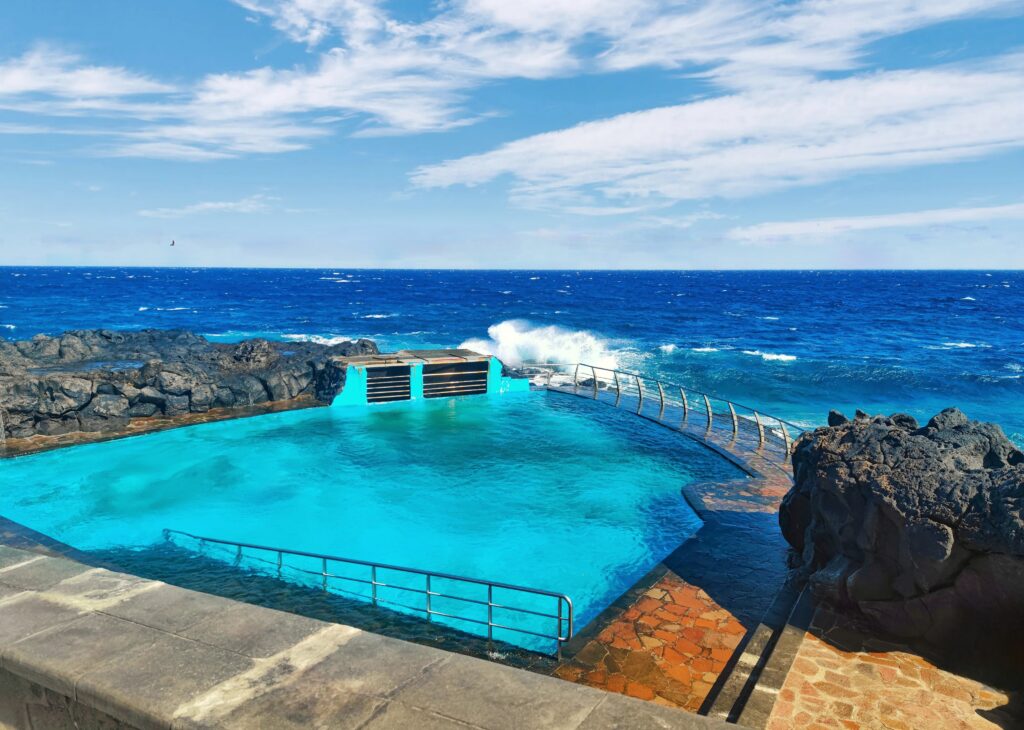
Punta Prieta, Tenerife, Islas Canarias
Speak with a Specialist Today
Punta Prieta, Tenerife, Islas Canarias
Best Private Cocaine Rehab in Spain for Business Professionals

Best Private Cocaine Rehab in Spain for Business Professionals

For professionals in high-pressure careers, cocaine use often starts as a way to keep performing and by the time it becomes a problem, the stakes around discretion, reputation and time away from work feel just as significant as the addiction itself. This guide explains what to actually look for when searching for the best private cocaine rehab in Spain for business professionals, if confidentiality and a tailored approach to your professional life matter as much as clinical quality.

Why Cocaine Use Is Common and Often Hidden Among Professionals

Cocaine has a particular reputation in professional environments. In sectors defined by long hours, high stakes and constant availability finance, law, consulting, sales, hospitality, media, tech it is sometimes treated less as a drug and more as a tool. Something to get through a late deal, stay sharp at a client dinner or keep going after a week of little sleep.

That perception is part of what makes cocaine use among professionals so easy to overlook.

High-performance culture rewards the symptoms. Energy, confidence and the ability to keep going are valued in many workplaces. In the early stages, cocaine can appear to deliver exactly those things, which makes it easy to rationalise.

It is often seen as a productivity tool. Many people who use cocaine at work-related events don’t initially see themselves as having a problem, because their use feels purposeful  connected to performance rather than escape.

The brain adapts quickly. Cocaine causes a surge of dopamine in the brain’s reward system. Over time, the brain adjusts to these repeated surges, so more is needed to achieve the same effect, and ordinary days without it can feel flat, irritable or exhausting. This is the process of tolerance that underpins dependence and it can develop even in people who seem to be functioning well on the outside.

Stigma delays help-seeking. For someone whose career depends on reputation, admitting to a cocaine problem can feel like a professional risk in its own right. The fear of being found out often keeps people silent for far longer than the addiction itself would justify.

In our experience treating professionals with demanding careers, high-functioning cocaine use is one of the most common patterns we see and one of the most underestimated. What we often see at Revelia is that the people most convinced they’re “managing fine” are usually the ones under the most pressure to keep performing.

If you’re unsure whether recovery is realistic after years of use, our article on whether a cocaine addict can recover looks at what the science and real experience tell us.

Cost of Rehab in the UK vs Spain

Cost of Rehab in the UK vs Spain - is it really cheaper?

What Makes a Rehab “Private” in a Way That Actually Matters

Almost every treatment centre describes itself as private, discreet or confidential. For a professional, the important question is what that actually means in practice.

Genuine confidentiality, not just marketing language. A centre that takes discretion seriously will be able to explain, clearly and in writing, how your personal information is handled, who has access to it and what is never shared without your consent.

A limited number of places. Large centres with dozens of residents may offer excellent care, but they also mean more people knowing you were there. Smaller centres with a limited number of places tend to offer a quieter, more contained environment where your privacy is easier to protect.

Discreet communication. From the first enquiry onwards, contact should happen through channels and at times that suit you without unexpected calls to your office, branded correspondence or anything that could draw attention.

No exposure. Some facilities feature clients in social media content, promotional events or public-facing activities. For someone with a public profile or senior role, that kind of visibility is a serious concern.

Individual clinical assessment rather than generic protocols. Privacy also applies to how you’re treated clinically. A centre that assesses you as an individual your history, your patterns of use, your mental health, your work situation is better placed to design treatment that fits your life than one that puts everyone through the same programme.

Discretion isn’t a luxury add-on for a professional considering treatment it’s often the deciding factor in whether they reach out at all.

Why Spain Is a Practical Choice for Professionals Seeking Discreet Treatment

For many professionals based in the UK or elsewhere in Europe, travelling abroad for treatment can offer a level of privacy that is difficult to achieve closer to home.

Distance from your usual environment. Treatment abroad removes you from the colleagues, clients, social circles and places that are connected to your cocaine use. That physical distance can make it easier to focus fully on recovery and easier to step away without needing to explain yourself to people nearby.

Without the logistical barriers of more distant destinations. Spain is a short flight from most European cities, with frequent connections and a relatively small time difference for those travelling from the UK and much of Europe. That makes the journey simpler for you, and easier for family members who may be involved in treatment or want to visit.

English-speaking care. For treatment to work, you need to be able to express yourself fully. A centre with an international team that works in English removes a significant barrier for clients who don’t speak Spanish.

An environment that supports recovery. Climate, light, outdoor space and a calm setting are not a substitute for clinical treatment, but they can make a difference to how people feel during an intense period of change.

Many of the reasons professionals choose Spain for cocaine treatment are the same ones that apply to other addictions. Our article on why British people choose rehab in Spain for alcohol addiction explores this geographic argument in more detail.

  • What Private Cocaine Treatment Actually Involves

    Understanding what treatment involves can make the decision feel less daunting. While every programme should be adapted to the individual, private cocaine rehab generally brings together several elements.

    Medically supervised detoxification where needed. Stopping cocaine can bring difficult effects exhaustion, low mood, disrupted sleep, irritability and strong cravings, sometimes referred to as the “crash”. The appropriate level of medical oversight depends on the individual, including any other substances being used and their physical and mental health. This is assessed by professionals on admission rather than decided in advance.

    Psychological assessment. Cocaine use rarely exists in isolation. Stress, anxiety, low mood, burnout, sleep problems or the use of alcohol alongside cocaine are common. A thorough assessment helps identify what is driving the addiction, not just the addiction itself.

    Cognitive behavioural therapy (CBT). CBT is one of the most widely used evidence-based approaches in addiction treatment. It helps people recognise the thoughts, situations and emotions that lead to use, and develop practical alternatives highly relevant for professionals whose triggers are often tied to work pressure, deadlines and social obligations.

    Group and family work. Group therapy offers perspective and accountability, while family therapy can help repair relationships and prepare loved ones to support recovery afterwards.

    A return-to-work plan. For professionals, recovery must hold up in the environment where use began. A good programme addresses how to manage work stress, client entertainment, travel and long hours once you’re back and how much, if anything, you choose to share with your employer.

    Exact treatment decisions, including any medication, are always made by the clinical team on an individual basis. No responsible centre should promise a fixed protocol before it has assessed you.

    Questions to Ask Before Choosing a Centre

    When comparing private cocaine rehab options in Spain, these questions can help you look beyond the brochure.

    1. What level of medical supervision is available? Ask who is involved in your care, how medical needs are assessed on arrival and what happens if complications arise during treatment.
    2. What is the staff-to-client ratio? A smaller number of clients per professional usually means more individual attention, more time in one-to-one therapy and a programme that can adapt to you.
    3. Is the confidentiality policy available in writing? A centre that takes privacy seriously should be able to show you how it protects your information including communication with family, employers or insurers.
    4. What aftercare and return-to-work planning is included? Treatment doesn’t end at discharge. Ask how the centre supports the transition back to your working life and what ongoing contact looks like, especially if you’re returning to another country.
    5. Does the team have experience with high-functioning cocaine use specifically? Professionals who use cocaine often present differently from other clients. A team familiar with this profile will understand the pressures, rationalisations and practical concerns involved.

    It’s also worth asking about the therapeutic approach (for example, whether it’s religious or secular), the languages spoken by the clinical team and how a typical day is structured.

    What Treatment Looks Like at Revelia for Working Professionals

    Revelia Recovery Center is a small, private residential centre on the coast of Tenerife, with a maximum of 10 clients at any one time. That limited capacity is a deliberate choice: it allows for personalised care and a quiet, discreet environment.

    For professionals, treatment at Revelia typically includes:

    • A personalised assessment that considers your pattern of cocaine use, your mental and physical health and the specific pressures of your working life
    • A combination of evidence-based and holistic therapies, including cognitive behavioural therapy, group and family therapy, mindfulness, yoga and time in nature, within a residential programme inspired by the Minnesota Model
    • A non-religious approach and an international team that works in English
    • Gradual social reintegration including supervised outings so that recovery is practised in real-world settings rather than only inside a “bubble”
    • Return-to-work planning, covering how to manage workplace triggers, social events and the demands of your role once you leave
    • Careful management of confidentiality throughout, from your first call to aftercare

    You can learn more about our approach on our cocaine addiction treatment page, or read through our admission process to see what happens from the first confidential conversation to arrival.

Ready to Take the First Step?

If you or a loved one are facing addiction and are looking for effective and affordable residential treatment in Spain, our team is here to help you. Contact Revelia Recovery Center today for a free and 100% confidential consultation.

Revelia Recovery Center

📍 Located in Tenerife, Canary Islands

📱 Call us to +34 634 84 71 77 or contact us by WhatsApp

CONTACT US! 100% CONFIDENTIAL
    By submitting this form you accept the Privacy Policies. Your data will not be used by third parties.

    Author Profile
    Pablo Vallejo – Monitor & Forensic Psychologist

    Pablo Vallejo

    Forensic and Penitentiary Psychologist. Master's in Psychopharmacology and Substance Abuse

    Pablo Vallejo holds a degree in Forensic Sciences, Forensic and Penitentiary Psychology from the Universidad Autónoma de Madrid and a Master's Degree in Psychopharmacology and Drugs of Abuse from the Universidad Complutense de Madrid. His expertise spans clinical psychology, forensic sciences and psychopharmacology, allowing him to offer a comprehensive and evidence-based approach to addiction recovery.

    Pablo has coordinated treatment programs that have successfully reduced substance use disorders. Experienced in the 12-step method and the Prochaska and DiClemente model, he integrates scientific research and ethical practices into his work, ensuring effective and personalized care.