

Punta Prieta, Tenerife, Islas Canarias
Speak with a Specialist Today
Punta Prieta, Tenerife, Islas Canarias
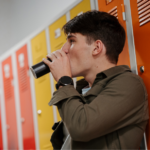
Addiction Among Students Studying Abroad: What Parents and Universities Miss

Addiction Among Students Studying Abroad: What Parents and Universities Miss

Leaving home to study abroad is often the first time a young person has real independence — and for some, that freedom becomes the starting point of a substance use problem that goes unnoticed for months. Parents are far away, universities are focused on academic performance, and the student themselves may not recognise what’s happening until it’s already a pattern. This article looks at why addiction among students studying abroad is so easy to miss, and what parents, universities and students themselves can do about it.

Why Studying Abroad Increases the Risk of Substance Use

A year abroad, an Erasmus exchange or a full degree in another country can be one of the most formative experiences of a young person’s life. It can also bring together several risk factors at the same moment at an age when the brain is still developing and habits are still forming.

Several elements tend to combine:

  • New freedom without supervision. For many students, this is the first time nobody notices what time they come home, whether they attend class or how much they drink on a weeknight. Freedom itself isn’t the problem, but it removes the informal checks that family life usually provides.
  • Social pressure to fit in. Arriving in a new city without friends creates a strong drive to belong quickly. In many student communities, alcohol and, in some circles, cannabis or other substances are woven into how people meet and bond.
  • Anxiety around cultural and language change. Navigating a new language, unfamiliar systems and different social norms can be exhausting. Substances can seem to offer quick relief from that constant low-level stress.
  • Distance from the usual support network. The people who would normally notice a change in mood parents, siblings, old friends are hundreds or thousands of kilometres away, often in a different time zone.

From a neurological point of view, the timing matters too. The parts of the brain involved in impulse control and long-term planning continue to mature into the mid-twenties, while the reward system is highly responsive. This doesn’t mean that young people are destined to develop problems  most don’t but it helps explain why patterns of heavy use can take hold more quickly at this stage of life.

In our experience working with young clients and their families, it is rarely one single factor that leads to a problem. It’s the combination of freedom, pressure and distance, arriving all at once.

Why Parents and Universities Often Miss the Warning Signs

When a substance use problem develops while a student is abroad, it is often recognised late. This is not usually because anyone was careless. It’s because the circumstances make observation genuinely difficult.

Physical distance limits direct observation. Many of the early signs of a developing problem changes in sleep, appearance, energy or friendships are things parents notice by being around their child day to day. From another country, those signals simply aren’t visible.

Universities tend to focus on academic performance. Most institutions track attendance, grades and submission deadlines. Wellbeing services exist, but they often depend on the student coming forward. Many universities don’t have clear protocols for spotting substance-related difficulties, and international students may not know what support is available or may worry that asking for help will affect their visa, scholarship or exchange placement.

Communication is brief and curated. A ten-minute video call on a Sunday, a few messages and a social media feed full of smiling photos can give an incomplete picture. Students may present the version of their life they think their parents want to see sometimes without even realising they’re doing it.

As a result, what we often see at Revelia is that by the time a family reaches out, the pattern has usually been going on for months not because no one cared, but because no one was close enough to see it clearly.

Signs to Watch For — From a Distance

None of the following signs on their own confirm that a student has a substance use problem. Many have other explanations homesickness, academic stress, a difficult relationship or a mental health difficulty that needs attention in its own right. What matters is a pattern of change over time.

  1. Declining academic performance. Missed deadlines, failed modules, unexpected requests for extensions or vague answers about how studies are going can be early indicators that something is affecting their ability to function.
  2. Withdrawing from calls or messages home. A student who used to be in regular contact but now rarely answers, postpones calls repeatedly or replies only in short messages may be pulling away for a reason.
  3. Asking for money more frequently without clear explanation. Repeated requests for extra funds, unclear explanations about where money has gone or signs of debt can sometimes reflect spending on substances.
  4. Mood swings during calls. Noticeable irritability, flatness, unusual excitement or defensiveness especially if it differs from how they usually communicate can be worth noting.
  5. Missed flights home or repeatedly changed plans. Cancelling visits, missing travel arrangements or avoiding coming home for holidays without a convincing reason can signal that a student doesn’t want their situation to be seen up close.

Other signs that sometimes appear include a sudden change in friendship group, losing interest in activities they used to enjoy, frequent illness or tiredness, and comments from flatmates or friends that something isn’t right.

The Specific Pressures Behind Student Substance Use

Understanding why a student might turn to substances can help parents and educators respond with empathy rather than judgement. For international students, several pressures tend to overlap.

University party culture. In many student cities, nightlife is a central part of social life. Drinking games, cheap drinks promotions and an expectation that “everyone goes out” can normalise levels of consumption that would raise concern in any other context.

Academic pressure. Studying in a second language, adapting to a different teaching style and carrying the weight of family expectations sometimes along with the cost of studying abroad can create intense pressure. Some students use substances to relax after studying; others misuse stimulants to keep up.

Loneliness and isolation. Being surrounded by people is not the same as feeling connected. Many international students describe feeling lonely even in busy halls of residence. Substances can become a way to dull that feeling or to make socialising feel easier.

Social anxiety in a new environment. Meeting new people in an unfamiliar culture, often in a language that isn’t their own, can heighten social anxiety. Alcohol in particular is frequently used to “take the edge off” in social situations, which can gradually turn into reliance.

What makes the international student profile distinctive is that these pressures arrive together, without the familiar safety nets of home. Recognising this combination is an important step in understanding what a student may be going through.

How to Start the Conversation Without Making It Worse

When you’re worried about someone who lives far away, the instinct to act immediately is strong. But the way the first conversation goes can shape whether a student feels able to be honest.

Some principles that tend to help:

  • Avoid judgement and direct confrontation at a distance. Accusations over the phone can easily lead to defensiveness, denial or a student withdrawing further. A calm, caring tone is more likely to keep communication open.
  • Use open questions rather than accusations. “You’ve seemed quite tired lately how are things really going?” invites a response. “Are you taking drugs?” often closes one down.
  • Focus on specific observations. Mentioning concrete things you’ve noticed missed calls, a change in mood feels less like an attack than general statements about their behaviour.
  • Listen more than you speak. The first conversation doesn’t need to solve everything. Its main purpose is to let them know you’ve noticed and that they can come to you.
  • Consider visiting. Where possible, seeing them in person can give you a much clearer picture than any call.

There is also a point at which a one-off concern becomes a reason for professional input. If the signs persist over several weeks, if their studies or health are clearly being affected, if they mention wanting to stop but being unable to, or if there are any safety concerns, it’s appropriate to seek advice from a specialist even if the student isn’t yet ready to accept help. If there is ever an immediate risk to their safety, contact local emergency services straight away.

For more guidance, our article on how to help a family member struggling with addiction covers communication, boundaries and looking after your own wellbeing.

What Role Can Universities Play?

Universities, tutors and study-abroad coordinators are often well placed to notice that something is changing falling attendance, missed assessments, or concerns raised by flatmates. But it’s important to be realistic about the limits of university wellbeing services.

Student support teams typically offer short-term counselling, signposting and academic adjustments. Many do valuable work, but they are rarely set up to provide specialised addiction assessment or treatment. Waiting lists can be long at busy points in the year, and international students may struggle to access services in their own language.

This is why early referral to an external specialist can be more effective than waiting for a situation to escalate into a crisis. A specialist assessment can clarify whether there is a substance use problem, how serious it is and what level of support would be appropriate from outpatient therapy to a residential programme.

For universities and study-abroad programmes, helpful steps can include:

  • Making sure international students know what wellbeing support exists and that using it is confidential
  • Having a clear internal route for staff to raise concerns about a student’s wellbeing
  • Building relationships with external specialists who can provide assessment and treatment when needed
  • Working with families, with the student’s consent, to coordinate a response

If a referral is being considered, our admission process explains how an initial confidential assessment works and what happens next.

What Treatment Looks Like for Students and Young Adults

Treatment for a young person is never one-size-fits-all. At Revelia, it begins with a personalised clinical assessment that looks not only at substance use but also at the student’s mental health, academic situation, relationships and goals.

Alongside individual therapy approaches such as cognitive behavioural therapy, group work and holistic activities, treatment for students usually involves:

  • Coordination with the family, so parents understand the process and know how to support recovery afterwards
  • Planning the return to studies or, where needed, a temporary deferral so that treatment and education are approached together rather than as competing priorities
  • Relapse prevention planning that takes into account the realities of student life: nights out, exam periods and living with flatmates

In our experience with this age group, alcohol and cannabis are among the substances we see most often. Both are widely available and socially normalised among students, which can make it harder for young people to recognise when their use has become a problem.

If cannabis is the main concern, you can learn more about our marijuana addiction treatment in Spain. For students whose difficulties centre on drinking, our page on alcohol rehab in Spain explains how our programme works. You can also read more about why families choose Revelia, including our small, English-speaking team and non-religious approach.

Ready to Take the First Step?

If you or a loved one are facing addiction and are looking for effective and affordable residential treatment in Spain, our team is here to help you. Contact Revelia Recovery Center today for a free and 100% confidential consultation.

Revelia Recovery Center

📍 Located in Tenerife, Canary Islands

📱 Call us to +34 634 84 71 77 or contact us by WhatsApp

CONTACT US! 100% CONFIDENTIAL

    By submitting this form you accept the Privacy Policies. Your data will not be used by third parties.

    Author Profile
    Monitor & Clinical Psychologist

    Lucía Silva

    Monitor & Clinical Psychologist

    Lucía Silva, a Clinical Psychologist, specializes in addiction recovery and group facilitation, with experience in NA and AA programs. She focuses on empathy and the 12-Step approach, creating a supportive environment for long-term healing.