There is a question that surfaces in the minds of thousands of people every year sometimes asked quietly by the person struggling, sometimes by a partner or parent who has watched someone they love change beyond recognition. It is a question that carries fear, exhaustion, and, beneath all of that, hope:
Can a cocaine addict actually recover?
The honest answer is yes. Not as a reassuring platitude, and not with caveats that make the word meaningless but as a clinically grounded, evidence-backed reality that our team at Revelia has witnessed directly with clients from across the UK and Europe. Recovery from cocaine addiction is possible. It is not simple, and it is not the same for everyone. But it is real.
This article sets out to explain what recovery from cocaine addiction actually involves: what happens in the brain, what makes it genuinely difficult, what professional treatment provides that willpower alone cannot, and what the path forward looks like for someone ready to take it seriously.
Why Cocaine Addiction Is Not a Failure of Character
Before addressing recovery, it is worth addressing the most common obstacle to seeking it: shame.
Many people who develop a cocaine dependency describe the same internal narrative that they should simply be able to stop, that needing help is a sign of weakness, that their situation is somehow different from “real” addiction. This thinking delays treatment by months or years, and it is rooted in a fundamental misunderstanding of what cocaine addiction is.
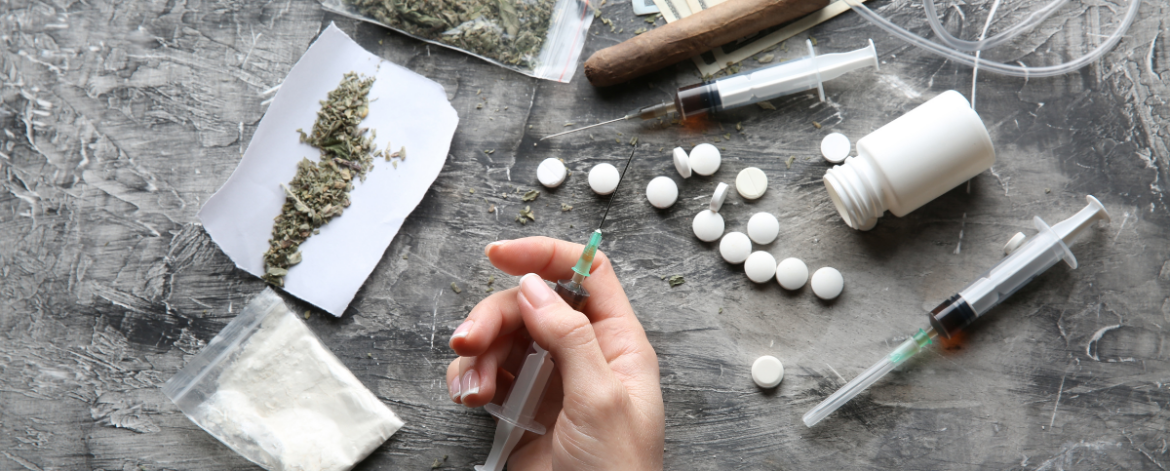
Cocaine is a powerful dopamine agonist. When used, it floods the brain’s reward circuitry with dopamine at levels that natural pleasures food, connection, achievement cannot approach. Over time, the brain adapts. It reduces its own dopamine receptors and production, recalibrating its baseline to account for the artificial stimulation. The result is a neurological state in which the brain genuinely needs cocaine to feel functional. What looks like a choice from the outside is, at a biological level, a brain responding exactly as brains are designed to respond to artificially intense stimulation.
This is not an excuse. It is an explanation and understanding it is the first step toward treatment that actually works.
What “Recovery” Means in Practice
Recovery is not a single event. It is a process, and understanding what it involves helps set realistic expectations which is itself part of effective treatment.
Acute withdrawal and stabilisation is typically the first phase. Cocaine withdrawal does not carry the same acute physical danger as alcohol or opioid withdrawal, but the psychological withdrawal is significant: intense cravings, profound fatigue, depression, anxiety, and anhedonia (the inability to feel pleasure) are common in the days and weeks after stopping. This phase is why the environment of early recovery matters enormously. Attempting it at home, surrounded by the same people, places, and triggers, makes relapse far more likely not because the person is weak, but because the brain is in a state of genuine distress and actively seeking relief.
Psychological restructuring is the longer and more substantive phase of recovery. Cocaine use rarely exists in isolation. In our experience working with clients at Revelia, the substance is almost always intertwined with other factors: stress management patterns, social environments, underlying anxiety or depression, identity, and frequently trauma that was never properly processed. Effective recovery addresses these layers, not just the cocaine itself.
Relapse prevention and reintegration is the ongoing phase. The goal of treatment is not to produce someone who can never be near cocaine again it is to build someone who has developed the internal resources, self-awareness, and coping strategies to navigate the real world without returning to use. This is why Revelia’s programme explicitly includes structured social reintegration outings, urban walks, real-world exposure rather than isolating clients in a therapeutic bubble.
What Makes Cocaine Recovery Genuinely Difficult
Honesty about the challenges of recovery is not discouraging it is necessary. Understanding what makes cocaine dependency hard to leave is precisely what helps people approach it with the right support.
1. The absence of a medical substitute Unlike opioid addiction, where medications such as methadone or buprenorphine can reduce cravings and withdrawal symptoms pharmacologically, there is currently no widely approved medication that works the same way for cocaine. This means that cocaine recovery depends more heavily on psychological and behavioural intervention than on medication management. It is one of the reasons that the quality of the therapeutic environment and clinical team matters so much.
2. The social embeddedness of cocaine use Cocaine is, for many people who become dependent, deeply woven into professional and social life. It is used at work events, in social settings, with close friends. Stopping often means confronting not just the drug itself but an entire social ecosystem built around it. This is why treatment at a residential centre particularly one located away from a client’s usual environment offers a structural advantage that outpatient approaches often cannot.
3. The dopamine deficit period In the weeks and months after stopping cocaine, the brain is still recalibrating. During this period, normal life can feel flat, joyless, and unrewarding. This anhedonia is one of the most common drivers of relapse people return to cocaine not because they are seeking a high, but because they feel nothing without it and cannot imagine feeling normal again. Treatment that anticipates and addresses this phase through structured activity, group work, therapeutic support, and lifestyle reintegration significantly improves long-term outcomes.
4. Dual diagnosis Cocaine use frequently coexists with anxiety disorders, depression, ADHD, or PTSD. In many cases, the cocaine was partly functioning as a form of self-medication. Treatment that addresses only the substance and not the underlying condition leaves the root cause untouched which is why comprehensive assessment and dual-diagnosis capability are essential features of effective cocaine rehabilitation.
5. The role of triggers and conditioned responses The brain forms powerful associations between cocaine use and the circumstances surrounding it: specific people, places, emotional states, even smells or sounds. These conditioned cues can provoke intense cravings long after active use has stopped, without any conscious decision to seek the drug. Learning to identify, anticipate, and respond to these triggers is a core skill that professional treatment builds systematically.
What Professional Treatment Provides
The question “can a cocaine addict recover?” is, in many ways, inseparable from the question “with what kind of support?” The research consistently shows that professional residential treatment produces significantly better long-term outcomes than self-directed attempts not because people lack resolve, but because addiction is a condition that requires structured clinical intervention.
At Revelia Recovery Center, the cocaine treatment programme integrates several evidence-based approaches:
Cognitive Behavioural Therapy (CBT) is the most extensively researched psychological intervention for cocaine addiction. It works by helping clients identify the thought patterns, emotional states, and situational triggers that precede use and by developing concrete, practised strategies to interrupt those patterns. CBT equips people with skills that remain useful long after formal treatment ends.
Group therapy provides a context that is difficult to replicate individually: the experience of speaking openly about dependency in the presence of others who understand it from the inside. In our experience, group work frequently breaks through the isolation and shame that sustain addiction in ways that one-to-one sessions alone do not.
Family therapy addresses the relational dimension of recovery. Cocaine addiction affects families and close relationships profoundly in trust, in communication patterns, in co-dependency dynamics. Involving family members in the recovery process, where appropriate and with proper clinical framing, significantly improves the stability of the environment clients return to.
Holistic therapies including mindfulness, yoga, art therapy, and nature-based activities are not decorative additions to the programme. They serve a specific clinical function: rebuilding the capacity for natural reward. The recovering brain needs to re-learn that experiences outside cocaine can generate genuine pleasure and calm. Physical activity, creative expression, and mindfulness practices stimulate dopamine and serotonin through pathways that cocaine had effectively monopolised.
The residential setting in Tenerife with access to the Atlantic coast, volcanic natural pools, and a consistent outdoor environment is integrated into the therapeutic programme for precisely this reason.
An Honest Self-Assessment
If you have been asking yourself whether you or someone you care about has a problem with cocaine, the following questions may be worth sitting with not as a diagnostic tool, but as a starting point for honest reflection.
- Have you noticed that the amount of cocaine needed to feel the same effect has increased over time?
- Do you find yourself using cocaine to get through situations that used to be manageable without it social anxiety, work pressure, difficult emotions?
- Have you tried to cut down or stop, and found that harder than expected?
- Has cocaine use created problems in your relationships, your work, or your health and continued anyway?
- Do you spend significant mental energy planning when you will use next, or recovering from having used?
- Has the pleasure you used to associate with cocaine diminished, while the compulsion to use has remained or increased?
None of these questions carries a verdict. But if several of them resonated, it is worth speaking with someone who can help you understand what you are dealing with. Our team at Revelia is available for a confidential initial conversation with no commitment attached.
Why Earlier Intervention Produces Better Outcomes
There is no moment at which cocaine dependency becomes “too severe” to address. But there is meaningful clinical evidence that earlier intervention before dependency has reshaped more of a person’s life, relationships, and neurological baseline supports more durable recovery.
The longer cocaine use continues at a dependent level, the deeper the neurological adaptation, the more embedded the social and environmental triggers, and the more likely it is that secondary consequences (relationship breakdown, professional impact, mental health deterioration) have accumulated. Addressing cocaine dependency before these consequences compound is not a luxury it is a clinical advantage.
This is not said to generate urgency for its own sake. It is said because people who are privately wondering whether their situation is “bad enough” to warrant help often already know, at some level, that it is.
What Recovery Looks Like Beyond Treatment
Leaving a structured residential programme is not the end of recovery it is the transition into the longer-term process. What successful recovery tends to look like in practice is not dramatic. It is not a sudden return to a pre-addiction baseline. It is a gradual re-expansion of life: a morning that feels normal without cocaine, a social situation navigated without craving, a difficult week managed without using.
The skills built in treatment recognising triggers, interrupting automatic responses, maintaining recovery routines, knowing when to reach out for support are what make that expansion sustainable. The clients we have worked with who report the strongest long-term outcomes are not those who found recovery easiest. They are those who engaged most fully with the process and built the most honest understanding of themselves during it.
Recovery is not a return to the person who existed before cocaine. It is the construction of someone more self-aware, more resilient, and more capable of living without it.
Ready to Take the First Step?
If you or a loved one are facing addiction and are looking for effective and affordable residential treatment in Spain, our team is here to help you. Contact Revelia Recovery Center today for a free and 100% confidential consultation.
Located in Tenerife, Canary Islands
Call us to +34 634 84 71 77 or contact us by WhatsApp
CONTACT US! 100% CONFIDENTIAL

Lucía Silva
Lucía Silva, a Clinical Psychologist, specializes in addiction recovery and group facilitation, with experience in NA and AA programs. She focuses on empathy and the 12-Step approach, creating a supportive environment for long-term healing.