

Punta Prieta, Tenerife, Islas Canarias
Speak with a Specialist Today
Punta Prieta, Tenerife, Islas Canarias
Are There English-Speaking Rehab Centres in Spain (1)

Are There English-Speaking Rehab Centres in Spain?

Yes and the number of people from the UK and Europe choosing to recover in Spain has grown significantly in recent years. If you are researching English-speaking rehab centres in Spain, it is likely because you, or someone you care about, have already reached an important decision: that professional help is needed. What comes next is a practical one where, and with whom, that recovery should happen.

Language is not a small detail in that decision. Worrying about whether you will be understood, whether you can explain what you are actually feeling, or whether a language barrier will get in the way of therapy is a completely legitimate concern. Receiving treatment in a language you do not fully command is not the same experience as receiving it in your own.

Perhaps you have already looked at a handful of centres online. Most present themselves in a similar way: sunny photos, a short list of therapies, and a line somewhere on the page saying “English spoken here.” What is much harder to find is a straight answer to the question underneath all of this: if you walked through the door tomorrow, would you actually be able to talk properly, in depth, about the things that matter with the people treating you?

This article looks honestly at what “English-speaking” really means when it comes to rehab in Spain, what questions to ask before choosing a centre, and why Spain has become a genuine not just theoretical option for people who think and feel in English.

Why language matters more in rehab than in other medical contexts

A broken bone can be set by a doctor who speaks only basic English, guided by an X-ray and a shared understanding of anatomy. Addiction treatment does not work that way. Recovery depends on emotional precision being able to describe shame, fear, craving, or a specific memory in the exact words that carry their real weight for you.

There is a real difference between a centre that has English-speaking reception staff and one where your therapist thinks in English. A doctor who can manage basic small talk is not the same as a clinician who can conduct cognitive behavioural therapy (CBT) or lead a group therapy session entirely in English, following the emotional nuance of what a client is actually trying to say and picking up on what they are avoiding saying.

In our experience, clients who can express themselves fully without searching for words engage more deeply with therapy from day one. When someone has to translate their feelings into a second language before a therapist can even begin working with them, something is lost in that translation often the most important part.

Language is not a logistical detail in addiction treatment. It is the medium through which recovery happens.

There is also a trust dimension that is easy to underestimate. Addiction recovery asks people to be honest about behaviour they may feel deep shame around lying to family, missed responsibilities, moments they are not proud of. That kind of honesty is hard enough in your own language, with someone you already trust. Adding the extra effort of finding the right words in a second language, or wondering whether something has been slightly misunderstood, can make a person hold back precisely at the moments when openness matters most.

What “English-speaking” actually means in a rehab context and what to check

The phrase “we speak English” appears on almost every rehab website aimed at international clients. In practice, it can mean very different things, and the difference matters:

  1. Admission and initial enquiries only. The person who answers the phone or replies to your first email speaks English, but clinical care itself is delivered in the local language, often through an interpreter.
  2. Functional English among medical staff. Doctors and nurses can manage day-to-day communication, medication schedules, and basic check-ins in English, but not necessarily nuanced psychological work.
  3. A full clinical team capable of running therapy in English. Individual sessions, group therapy, and family work are conducted directly in English by therapists who are fluent or native speakers — not translated on the fly.
  4. A genuinely English-speaking environment. Beyond therapy sessions, paperwork, daily routines, staff conversations, and peer interaction all happen in English, so a client is never left guessing what is being said around them.


Cost of Rehab in the UK vs Spain

Cost of Rehab in the UK vs Spain - is it really cheaper?

Why Spain has become a genuine option for English-speaking people seeking rehab

Beyond the language question itself, Spain has become one of the more realistic destinations in Europe for English-speaking clients, for reasons that go well beyond marketing:

  • Climate and environment as part of treatment, not just a backdrop. Consistent sunshine, natural surroundings, and a slower pace of life genuinely support recovery they are not incidental.
  • Distance from familiar triggers. Recovering away from your usual environment your triggers, your social circle, your daily pressures is not running away. It is a clinically sound decision. Physical distance from the places, people, and routines associated with substance use removes a layer of temptation that is very difficult to escape at home.
  • Cost. Private residential treatment of an equivalent standard is often considerably more expensive in the UK than in Spain, without a proportional difference in clinical quality. You can read more detail on this in our comparison of the cost of rehab in the UK vs Spain.
  • Confidentiality. Recovering somewhere your employer, neighbours, or extended social circle have no connection to gives many clients room to be honest in treatment in a way they might not feel able to be at home.

Spain offers something that is genuinely difficult to find in the UK: equivalent or better clinical standards, at a fraction of the cost, in an environment that actively supports recovery.

What to look for in an English-speaking rehab centre in Spain a practical checklist

Not every centre marketing itself to English speakers offers the same level of care. Before choosing, it is worth checking for:

  • A clinical team with recognised, accredited training who actually work in English not just administrative staff.
  • A structured therapeutic programme, not a wellness retreat. Look for evidence-based approaches such as CBT, group therapy, and family work, not only yoga and relaxation.
  • A small centre size. Smaller client numbers generally mean more individualised attention and a treatment plan that responds to your specific situation, rather than a one-size-fits-all schedule.
  • A clear, accessible admission process in English, from the very first contact.
  • Transparency about cost, programme length, and what is included without vague or shifting figures.
  • A clear policy on family visits and outside communication during treatment, so you know what to expect before you arrive.

For a broader look at how to evaluate any centre abroad not just in Spain see our related guide on what to look for in a private rehab centre abroad.

How Revelia Recovery Center answers these questions

Revelia Recovery Center was built specifically around this need. We are an international team that works entirely in English individual therapy, group sessions, and day-to-day support are all conducted in English, without translation gaps.

A few things that shape how we work:

  • A small centre, with a maximum of 10 clients at any time, which allows for genuinely personalised attention rather than a standardised programme.
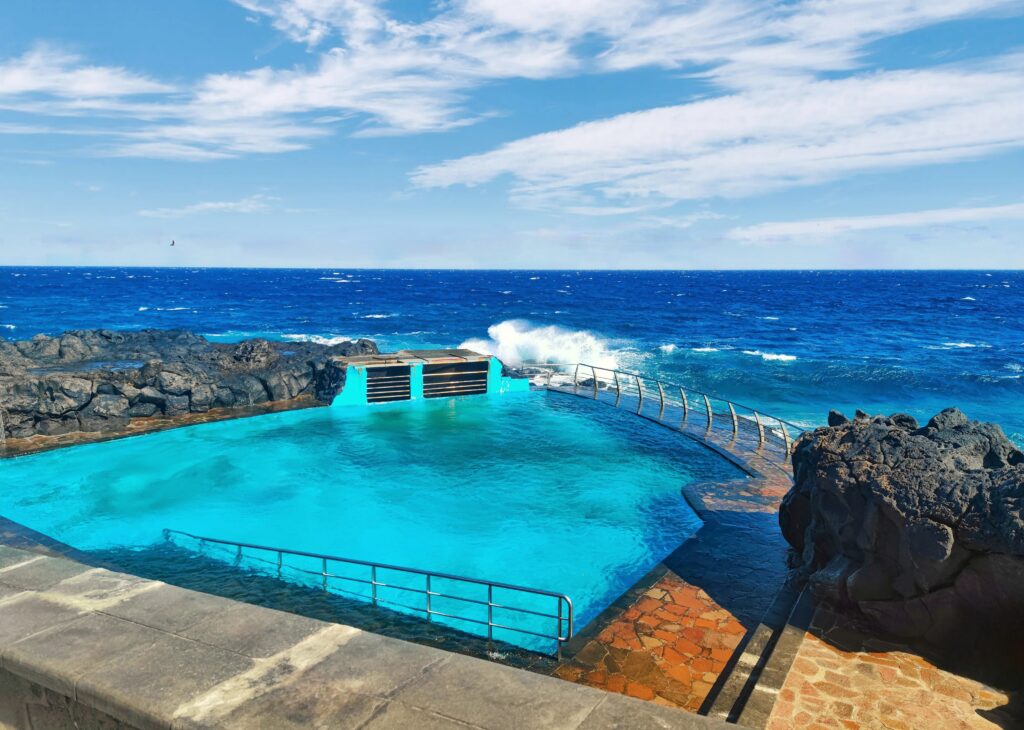
  • A location in Tenerife, on the island’s coast, where the climate, natural surroundings, and even a natural volcanic pool are treated as an active part of the therapeutic process, not just scenery.
  • A residential programme based on the Minnesota Model, non-religious, combining evidence-based approaches like CBT and group therapy with holistic elements such as mindfulness, physical activity, and real outings into the community this is not a “treatment bubble.”
  • An admission process conducted entirely in English, from your very first phone call or email.

Ready to Take the First Step?

If you or a loved one are facing addiction and are looking for effective and affordable residential treatment in Spain, our team is here to help you. Contact Revelia Recovery Center today for a free and 100% confidential consultation.

Revelia Recovery Center

📍 Located in Tenerife, Canary Islands

📱 Call us to +34 634 84 71 77 or contact us by WhatsApp

CONTACT US! 100% CONFIDENTIAL
    By submitting this form you accept the Privacy Policies. Your data will not be used by third parties.

    Author Profile
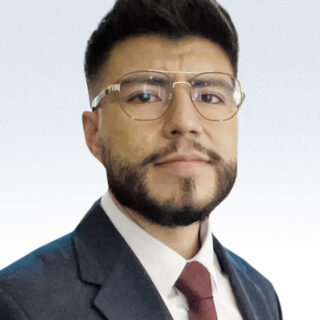
    Pablo Vallejo – Monitor & Forensic Psychologist

    Pablo Vallejo

    Forensic and Penitentiary Psychologist. Master's in Psychopharmacology and Substance Abuse

    Pablo Vallejo holds a degree in Forensic Sciences, Forensic and Penitentiary Psychology from the Universidad Autónoma de Madrid and a Master's Degree in Psychopharmacology and Drugs of Abuse from the Universidad Complutense de Madrid. His expertise spans clinical psychology, forensic sciences and psychopharmacology, allowing him to offer a comprehensive and evidence-based approach to addiction recovery.

    Pablo has coordinated treatment programs that have successfully reduced substance use disorders. Experienced in the 12-step method and the Prochaska and DiClemente model, he integrates scientific research and ethical practices into his work, ensuring effective and personalized care.