

The Role of the 12-Step Philosophy
The Minnesota Model is historically linked to 12-step principles, though this often raises questions regarding its application in modern healthcare.
Is the Minnesota Model Religious?
No. The model itself is not religious.
While it incorporates concepts such as personal responsibility, reflection, and connection, modern implementations—especially in European private rehab centres—apply these principles in a non-religious, psychological framework.
In our centre, the focus is placed on:
- Personal values
- Meaningful behavioural change
- Psychological insight
Rather than religious belief, this approach makes the model accessible to individuals of all backgrounds.
How Therapy Works Within the Minnesota Model
The Minnesota Model is not limited to peer support alone. Modern programmes integrate evidence-based therapies to address the psychological roots of addiction.
Cognitive Behavioural Therapy (CBT)
CBT plays a central role by helping patients:
- Identify distorted thinking patterns
- Understand emotional triggers
- Develop practical coping strategies
From clinical practice, CBT is particularly effective in addressing relapse patterns and co-occurring anxiety or depression.
Individual Therapy
One-to-one therapy allows for deeper exploration of:
- Trauma
- Emotional regulation difficulties
- Personal history linked to addiction
This individual work complements group therapy and supports personalised recovery planning.
Family Therapy
Addiction affects entire family systems. The Minnesota Model recognises this by integrating family involvement when appropriate. Family therapy helps:
- Repair trust
- Improve communication
- Establish healthy boundaries for long-term recovery
Who Is the Minnesota Model Most Suitable For?
The Minnesota Model is particularly effective for individuals who:
- Require residential treatment
- Have experienced repeated relapses
- Benefit from structure and routine
- Struggle with long-standing substance or behavioural addiction
In our experience, it is also highly effective for international patients seeking rehab in Spain, where a stable environment away from daily stressors supports deeper recovery work.
Minnesota Model vs Other Treatment Approaches
While no single model suits everyone, the Minnesota Model differs from alternatives in several key ways:
- It emphasises long-term recovery, not just short-term symptom management
- It combines peer support with professional therapy
- It prioritises environmental change as part of treatment
Many modern rehab programmes integrate the Minnesota Model alongside medical and psychological advances, creating a balanced, contemporary approach.
Why the Minnesota Model Remains Relevant Today
Despite being developed decades ago, the Minnesota Model remains highly relevant because it addresses the core realities of addiction:
- Behavioural repetition
- Emotional dysregulation
- Social isolation
- Loss of personal structure
When applied correctly, and adapted to current clinical standards, it continues to produce strong recovery outcomes.
A Modern Application of the Minnesota Model
In centres like Revelia Recovery Center, the Minnesota Model is not applied rigidly. Instead, it is integrated with:
- Evidence-based psychological therapies
- Holistic wellbeing practices
- Individualised treatment planning
This modern application respects the model’s strengths while adapting it to the complex realities of addiction today.
The Minnesota Model of addiction treatment offers a proven, structured, and human approach to recovery. By treating addiction as a disease, prioritising abstinence, and combining professional therapy with peer support, it creates a solid foundation for long-term change.
Ready to Take the First Step?
If you or a loved one are facing addiction and are looking for effective and affordable residential treatment in Spain, our team is here to help you. Contact Revelia Recovery Center today for a free and 100% confidential consultation.
 Located in Tenerife, Canary Islands
 Call us to +34 634 84 71 77 or contact us by WhatsApp
CONTACT US! 100% CONFIDENTIAL
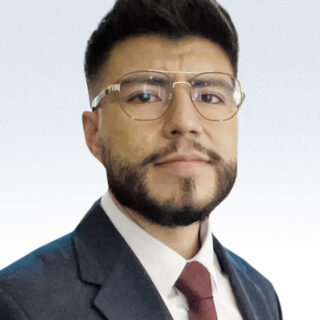
Pablo Vallejo
Pablo Vallejo holds a degree in Forensic Sciences, Forensic and Penitentiary Psychology from the Universidad Autónoma de Madrid and a Master's Degree in Psychopharmacology and Drugs of Abuse from the Universidad Complutense de Madrid. His expertise spans clinical psychology, forensic sciences and psychopharmacology, allowing him to offer a comprehensive and evidence-based approach to addiction recovery.
Pablo has coordinated treatment programs that have successfully reduced substance use disorders. Experienced in the 12-step method and the Prochaska and DiClemente model, he integrates scientific research and ethical practices into his work, ensuring effective and personalized care.