Punta Prieta, Tenerife, Islas Canarias
Speak with a Specialist Today
Punta Prieta, Tenerife, Islas Canarias

Sleeping pill addiction treatments in Spain

Overcome sleeping pill dependence and restore healthy, natural sleep patterns.

Sleeping pill addiction treatments in Spain

    By submitting this form you accept the Privacy Policies. Your data will not be used by third parties.

    Sleeping Pill Rehab Centre in Spain 

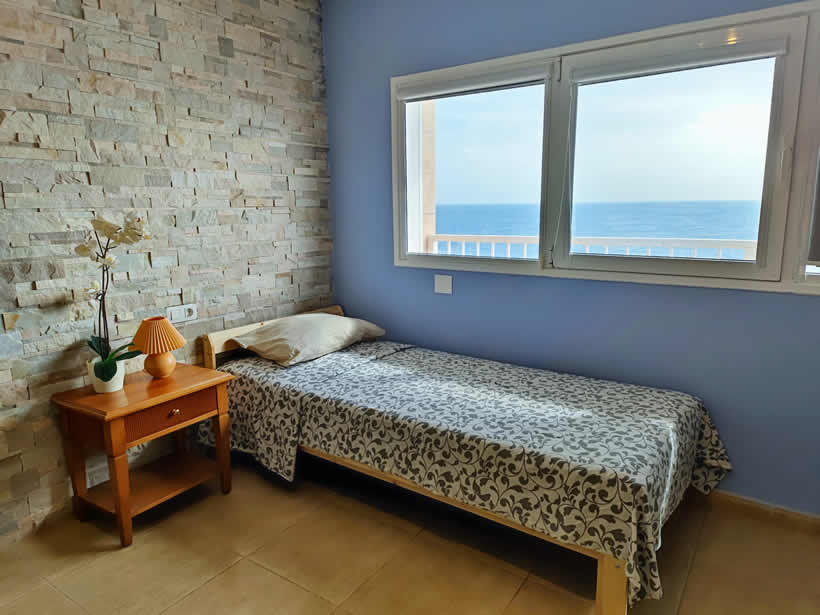
    At Revelia Recovery Center, we provide specialised sleeping pill addiction treatment in Spain for individuals struggling with medications such as Zopiclone, Zolpidem (Ambien) and Eszopiclone. These medications, widely prescribed for insomnia, can lead to dependence when used for long periods or in higher-than-prescribed doses. Our centre in Tenerife offers a peaceful and confidential environment where clients can recover, stabilise their sleep cycle, and rebuild healthier habits.

    Sleeping pill dependence often develops gradually, especially when people rely on these medications to cope with stress, anxiety, or chronic insomnia. Recovering in Spain allows clients to take distance from their everyday pressures and focus on healing in a calm Mediterranean environment. Our approach is non-religious, evidence-based, and suited for international clients seeking structured and private support.

    Testimonials about our Sleeping Pill Rehab Centre in Spain 

    One of the most common questions among those beginning recovery is whether it is necessary to stay in a rehabilitation center or if it can be achieved through outpatient treatment.

    Why Choose a Sleeping Pill Rehab in Spain?

    •  Sleeping pill addiction treatment Spain
    • Mediterranean climate that supports relaxation and recovery.
    • Distance from routine stress that reinforces medication use.
    • Private, quiet, and confidential environment.
    • English-speaking therapeutic team experienced in treating insomnia-related medication dependence.

    Sleeping Pill Addiction Treatment in Spain – Personalised Programmes

    Residential Rehab

    Our residential programme provides a structured and supportive environment where individuals can stabilise their sleep patterns and reduce dependence on medications such as Zopiclone, Zolpidem (Ambien) and Eszopiclone. Through daily routines, therapeutic sessions, and personalised guidance, clients gradually regain control without relying on sleeping pills.

    Alcohol Detox

    Sleeping pill withdrawal can involve rebound insomnia, anxiety and restlessness. Our detox support focuses on gradual stabilisation and safe reduction, helping the body readjust while minimising discomfort. Each client follows a structured plan adapted to their medical and psychological needs.

    Alcohol rehab therapy

    Psycological Therapy

    Therapy plays a central role in recovering from sleeping pill dependence. Our therapists help clients understand the emotional and behavioural factors behind insomnia, reduce anxiety, build healthier routines, and restore natural sleep cycles. We focus on long-term strategies to prevent relapse and improve overall wellbeing

    Why Are Sleeping Pills So Addictive?

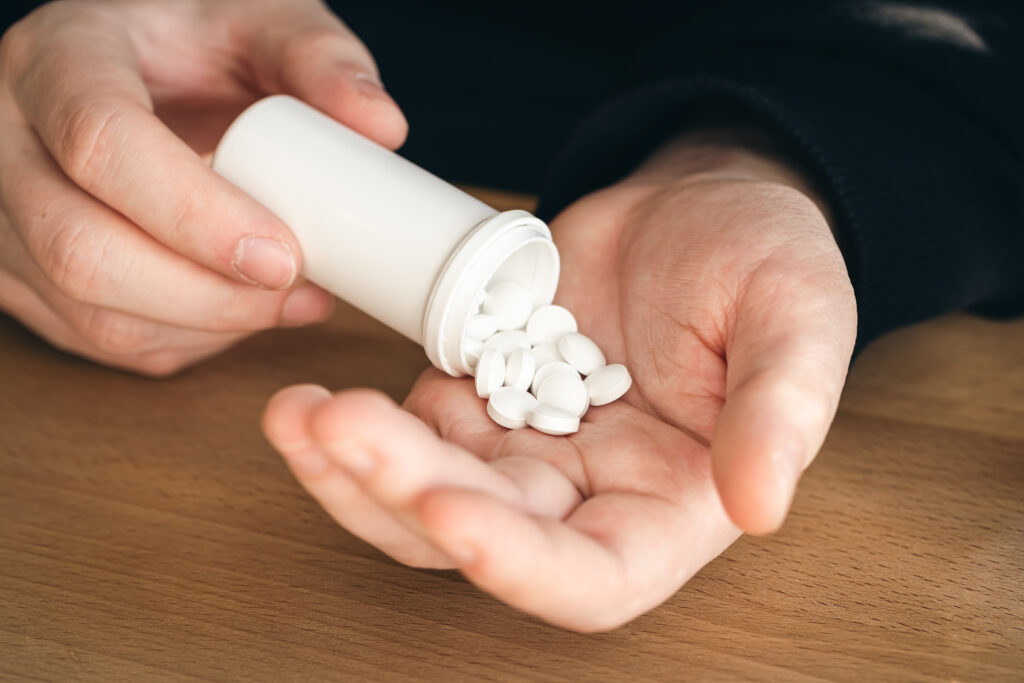
    Sleeping pills become addictive because they interfere directly with the brain systems responsible for sleep regulation, anxiety control and reward processing.

    Medications like Zopiclone, Zolpidem (Ambien), Eszopiclone, Temazepam, Lorazepam and even sedative antihistamines do not create natural sleep. Instead, they artificially suppress the central nervous system. Over time, the brain begins to rely on these substances to initiate sleep, leading to both psychological and physiological dependence.

    Sleeping pills become addictive due to three core mechanisms:

    Opioid addiction

    1. Artificial Sedation Through GABA Enhancement

    Most hypnotics, especially Z-drugs (Zopiclone, Zolpidem) and benzodiazepines, act by intensifying the effect of GABA, the brain’s main inhibitory neurotransmitter. This produces:

    • Rapid drowsiness
    • Reduced anxiety
    • Slowed brain activity

    The brain adapts quickly, reducing its own natural calming signals. As a result, individuals feel increasingly unable to fall asleep without the medication.

    2. Memory Suppression and Behavioural Reinforcement

    Sleeping pills often induce anterograde amnesia — meaning the brain partially “shuts off” memory formation. This creates a powerful behavioural loop:

    • The person takes the pill
    • They fall asleep
    • They have little recollection of the struggle
    • The brain learns: “pill = sleep”

    This reinforces the belief that sleep is impossible without medication, increasing psychological dependence.

    3. Rebound Insomnia and Anxiety

    When the medication wears off, the brain becomes hyperactive as it tries to compensate.
    This causes:

    • Worse insomnia than before
    • Intense restlessness
    • Anxiety or panic at bedtime
    • Urge to take higher or repeated doses

    This rebound effect traps individuals in a cycle of tolerance → dependence → escalating use.

    Recognising Sleeping Pill Addiction Symptoms

    Identifying addiction early is essential for safe withdrawal and long-term recovery. Sleeping pill dependence often develops gradually, but the signs become clearer over time.

    Loss of Control: Using sleeping pills for longer than intended, increasing dose without medical advice, or feeling unable to sleep without them.

    Strong Psychological Craving: Persistent thoughts about needing the pill before bed, or feeling anxious if a dose is missed.

    Tolerance: Needing higher doses to experience the same sedative effect.

    This is very common with Zopiclone and Zolpidem due to their short half-lives.

    Physical Dependence: Experiencing withdrawal symptoms such as:

    • Rebound insomnia
    • Anxiety
    • Irritability
    • Tremors
    • Vivid nightmares
    • Restlessness

    These symptoms indicate the nervous system has adapted to the medication.

    Night-time Behaviours and Memory Gaps Especially with Zolpidem:

    • Sleep-walking
    • Sleep-eating
    • Online shopping without memory
    • Conversations not recalled the next day

    These are red flags for unsafe use.

    Continued Use Despite Negative Consequences Using the medication even when it causes daytime fatigue, cognitive problems, emotional instability, or interference with work, relationships or daily functioning.

    Our Approach to Sleeping Pill Addiction Treatment at Revelia Recovery Center in Spain

    Treating sleeping pill dependence requires a personalised and flexible approach. We take the time to understand each person’s history with insomnia, stress, and medication use before designing a tailored plan.

    Our treatment model integrates therapy, structured routines, gradual stabilisation, and education around sleep hygiene. This helps clients rebuild confidence in their natural ability to sleep and reduce the emotional dependence on medication.

    We aim to create a supportive and understanding therapeutic environment where individuals can recover their sense of stability, improve emotional wellbeing, and develop long-term habits for healthier sleep.

    We treat all types of sleeping pill addictions

    1. Zopiclone (Imovane®, Zimovane®)

    Type: Non-benzodiazepine hypnotic (Cyclopyrrolone).
    Addiction Risk: High.
    Zopiclone is one of the most commonly prescribed sleep medications. It acts rapidly by enhancing GABAergic activity, creating sedation and sleep induction. With continued use, tolerance develops quickly, leading individuals to increase the dose or depend on it nightly. Withdrawal often includes rebound insomnia, anxiety, irritability and restless sleep. Professional tapering and structured therapy are essential to restore natural sleep cycles.

    2. Zolpidem (Ambien®, Stilnox®)

    Type: Non-benzodiazepine hypnotic (Imidazopyridine).
    Addiction Risk: High.
    Zolpidem is known for its strong hypnotic effect and short onset time. Although marketed as a “safer sleeping pill”, it carries a significant risk of psychological and behavioural dependence. Users may experience memory gaps, nocturnal behaviours (sleep-walking, sleep-eating), and strong cravings if they attempt to stop. Its short half-life increases the risk of taking repeated doses throughout the night, which reinforces dependency.

    3. Eszopiclone (Lunesta®)

    Type: Non-benzodiazepine hypnotic (Cyclopyrrolone).
    Addiction Risk: Moderate to High.
    Eszopiclone is similar to Zopiclone but marketed as a more refined version with fewer side effects. Despite this, prolonged use still disrupts natural sleep patterns and leads to dependence. Withdrawal frequently triggers severe rebound insomnia and heightened anxiety, making medical supervision important when discontinuing the medication.

    4. Benzodiazepines used as Sleeping Aids (e.g. Lorazepam, Temazepam, Diazepam)

    Type: Benzodiazepines (Sedative-Hypnotics).
    Addiction Risk: Very High.
    Although primarily used for anxiety, many benzodiazepines are prescribed off-label for sleep. Their strong sedative effect provides short-term relief, but long-term use rapidly leads to tolerance and dependence. Withdrawal can be medically serious, with symptoms such as tremors, agitation, insomnia, panic attacks and, in severe cases, seizures. These medications require slow tapering under professional supervision.

    5. Doxylamine (Unisom®, Donormyl®)

    Type: Antihistamine with sedative properties.
    Addiction Risk: Moderate.
    Often marketed as an over-the-counter sleep aid, Doxylamine is perceived as harmless, but frequent use leads to tolerance, psychological dependency and “hangover” effects such as drowsiness, confusion and poor concentration the next day. Individuals may begin relying on it nightly, gradually losing the ability to fall asleep naturally.

    6. Diphenhydramine (Benadryl®, Nytol®)

    Type: Antihistamine with sedative properties.
    Addiction Risk: Moderate.
    Diphenhydramine is another OTC medication commonly misused for sleep. Regular use disrupts REM cycles and contributes to cognitive fog, daytime fatigue and emotional instability. Dependence develops through behavioural conditioning rather than physical addiction, requiring therapeutic intervention to restore healthy sleep habits.

    7. Melatonin Misuse (High-dose or Chronic Use)

    Type: Hormone supplement regulating circadian rhythm.
    Addiction Risk: Behavioural dependence (Mild).
    Although not addictive in the classical pharmacological sense, chronic misuse of high-dose melatonin can lead to psychological reliance and disruptions in the body’s natural circadian rhythm. Many individuals begin to believe they cannot sleep without supplementation, creating a dependency pattern that needs behavioural and therapeutic correction.

    Sleeping pill addictions center in Spain

    Revelia Recovery Center (Punta Prieta, Tenerife, Islas Canarias)

    FAQs about sleeping pill addiction treatment in Spain

    Seeking treatment for sleeping pill addiction can raise many questions. Understanding what to expect can make the recovery process feel more manageable.

    To help, we’ve answered some of the most common questions about our programme. If you need more information, feel free to contact us.

    Do Sleeping pill require detox?

     Yes, withdrawal can cause rebound insomnia, anxiety and restlessness. A supervised plan helps minimise discomfort and stabilise sleep gradually.

    How long does recovery take?

    Duration varies depending on dosage, duration of use, and the client’s sleep patterns. Most benefit from several weeks of structured treatment and therapy-focused interventions.

    Are you a religious rehab centre?

    No. Our approach is non-religious, therapeutic, and based on evidence-based practices.

    How does admission work?

    We begin with a confidential consultation, followed by an assessment and personalised plan. A deposit secures a place, and the programme starts with a brief check-in before beginning structured treatment.

    Check our full admission process conditions.

    How much does treatment cost?

    Costs depend on programme duration and individual needs. Contact us for a personalised consultation.

    Cost of rehab in the Uk vs Spain

    Contact Us Today!

      By submitting this form you accept the Privacy Policies. Your data will not be used by third parties.

      CALL NOW

      The final location is shared with the user to ensure privacy and security