

Why detoxing from fentanyl at home is risky
Many people attempt to stop fentanyl on their own, often underestimating the severity of withdrawal. Detoxing at home carries several serious risks:
- Unmanaged symptoms, leading to extreme discomfort and relapse
- Dehydration and electrolyte imbalance due to vomiting and diarrhoea
- Increased risk of mental health crises, including severe anxiety or depression
- Loss of tolerance, increasing the risk of overdose if relapse occurs
Perhaps most importantly, detoxing alone does not address the underlying psychological and behavioural aspects of addiction. Even if someone manages to get through the acute phase, the likelihood of relapse remains very high without follow-up care.
The importance of supervised fentanyl detox
A medically supervised fentanyl detox provides safety, comfort, and structure during one of the most vulnerable stages of recovery. Because fentanyl withdrawal can be physically and psychologically intense, attempting detox without professional support significantly increases health risks and the likelihood of relapse.
When detox takes place within a fentanyl addiction treatment Spain programme, individuals benefit from a safe environment and a level of medical and emotional support that simply cannot be replicated at home. This type of structured care is especially important during withdrawal, when both physical symptoms and emotional distress can feel overwhelming.
Within a professional clinical setting, individuals benefit from:
- Medical monitoring to manage physical withdrawal symptoms and prevent complications
- Medication support when clinically appropriate to reduce discomfort and cravings
- Psychological support during intense emotional and mental health challenges
- A controlled, substance-free environment that removes access to drugs
- A seamless transition from detox into therapeutic addiction treatment
This integrated approach not only reduces medical risks during withdrawal but also significantly improves the chances of continuing into long-term recovery, turning detox into a stable foundation rather than an isolated intervention.
Why consider fentanyl detox in Spain?
For many international patients, choosing to detox from fentanyl in Spain offers several practical and therapeutic advantages.
Climate and environment
A warm, stable climate can support physical comfort and emotional regulation during withdrawal. Natural surroundings and calmer settings help reduce stress during detox.
Distance from triggers
Being physically removed from familiar environments associated with drug use creates psychological space. This separation often makes it easier to focus fully on recovery.
Cost-effectiveness
Compared to the UK or other countries, addiction treatment in Spain can be more accessible financially, without compromising clinical standards.
Integrated care
Many programmes combine detox with ongoing therapy, reducing the risk of stopping treatment too early.
Centres such as Revelia Recovery Center in Tenerife work with international clients seeking a safe, structured fentanyl detox followed by comprehensive addiction treatment in a supportive setting.
Safety first when stopping fentanyl
The symptoms of stopping fentanyl can be intense, unpredictable, and emotionally overwhelming. While the desire to quit is a crucial first step, how withdrawal is managed plays a major role in long-term outcomes.
Seeking medical supervision during fentanyl withdrawal is not a sign of weakness—it is a practical and protective decision. With the right support, environment, and follow-up care, detox becomes the beginning of recovery rather than a painful setback.
Ready to Take the First Step?
If you or a loved one are facing fentanyl addiction and are looking for effective and affordable treatment in Spain, our team is here to help you. Contact Revelia Recovery Center today for a free and 100% confidential consultation.
 Located in Tenerife, Canary Islands
 Call us to +34 634 84 71 77 or contact us by WhatsApp
CONTACT US! 100% CONFIDENTIAL
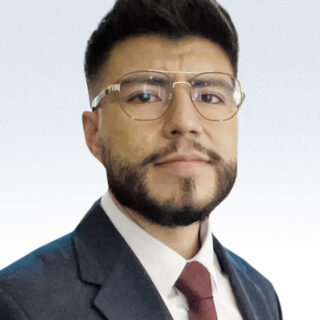
Pablo Vallejo
Pablo Vallejo holds a degree in Forensic Sciences, Forensic and Penitentiary Psychology from the Universidad Autónoma de Madrid and a Master's Degree in Psychopharmacology and Drugs of Abuse from the Universidad Complutense de Madrid. His expertise spans clinical psychology, forensic sciences and psychopharmacology, allowing him to offer a comprehensive and evidence-based approach to addiction recovery.
Pablo has coordinated treatment programs that have successfully reduced substance use disorders. Experienced in the 12-step method and the Prochaska and DiClemente model, he integrates scientific research and ethical practices into his work, ensuring effective and personalized care.