
Punta Prieta, Tenerife, Islas Canarias
Speak with a Specialist Today
Punta Prieta, Tenerife, Islas Canarias
Is Cannabis Addiction Real? Signs You Need Help

Is Cannabis Addiction Real? Signs You Need Help

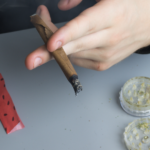
Cannabis has a reputation for being “safe” or “non-addictive” a perception that’s especially strong in the UK, where use is widely normalised. But for a growing number of people, what starts as occasional use becomes something they can’t easily stop, even when it’s affecting their work, relationships, or mental health.

This is not a moral failing, and it’s more common than most people realise. Cannabis addiction is a recognised clinical condition, and recognising it in yourself or in someone you love is the hardest and most important step. In this article, we explain what cannabis dependence actually looks like, why it can be harder to recognise than other addictions, and what steps can help.

Can You Really Get Addicted to Cannabis?

One of the most persistent myths about cannabis is that it “doesn’t cause physical addiction”, and that anyone can therefore stop whenever they choose. The reality is more complicated. The DSM-5 the diagnostic manual used by mental health professionals formally recognises Cannabis Use Disorder, a pattern of use that causes significant problems or distress and that the person finds difficult to control. It is assessed on a spectrum from mild to severe, rather than as a simple yes-or-no label.

So, is weed addictive? To understand why it can be, it helps to look at what cannabis does in the brain. THC, the main psychoactive compound in cannabis, acts on the endocannabinoid system a network of receptors (mainly CB1 receptors) involved in regulating mood, sleep, appetite, memory and the stress response. With frequent, heavy use, the brain adapts: it becomes less responsive to THC, which is why many people find they need more cannabis, or stronger cannabis, to feel the same effect. This is tolerance.

Over time, the brain can also come to rely on cannabis to do jobs it would normally handle on its own winding down at night, managing stress, regulating appetite. When the cannabis is removed, those systems temporarily struggle to rebalance. This is why psychological dependence and a recognised withdrawal syndrome develop in some regular users.

The mechanism is real, even if it looks different from alcohol or opioid dependence. Cannabis withdrawal is not usually medically dangerous in the way alcohol withdrawal can be, but it is uncomfortable enough to pull people back into using often within days of deciding to stop.

In our experience treating clients with cannabis dependence, one thing stands out: cannabis dependence doesn’t always look dramatic from the outside it often shows up as someone who simply can’t imagine getting through the day without it. There may be no crisis, no single defining moment. Just a habit that has quietly become the centre of how someone copes.

Why Cannabis Use Is So Often Underestimated in the UK

Cannabis remains a controlled Class B drug in the UK, yet it is widely used and, in many social circles, treated as entirely ordinary. Several factors contribute to this sense of normality, and each of them can delay the moment someone recognises they have a problem.

Cultural normalisation. For many people, cannabis has been part of their social life since their teens or student years. When everyone around you uses it, heavy use can feel unremarkable and it becomes hard to see where “normal” ends and dependence begins.

A blurred legal picture. Since 2018, specialist doctors in the UK have been able to prescribe certain cannabis-based medicines, and CBD products are sold openly on the high street. Add frequent headlines about legal cannabis markets in North America and changing laws in parts of Europe, and it’s easy to absorb the idea that cannabis must be broadly safe. Whatever one’s view on drug policy, legal or medical status says very little about how cannabis affects an individual who uses it heavily every day.

Stronger products. Much of the cannabis available today is considerably more potent than the cannabis previous generations knew. High-THC strains can make tolerance and dependence develop faster, and they are more likely to trigger anxiety or paranoia in some users.

“Functional” use. Many people who are dependent on cannabis still go to work, pay their bills and maintain relationships. Because life hasn’t visibly fallen apart, they and those around them assume there isn’t a real problem.

For English-speaking expats living elsewhere in Europe, the picture can be just as confusing, with very different laws and attitudes from one country to the next.

What we often see at Revelia is that people delay reaching out because they’ve been told cannabis “isn’t really addictive” by the time they ask for help, the pattern has been running for years. Recognising the cultural messages that kept the problem invisible is often an important part of the recovery process itself.

Cost of Rehab in the UK vs Spain

Cost of Rehab in the UK vs Spain - is it really cheaper?

Signs of Cannabis Addiction to Watch For

The following cannabis dependence signs don’t confirm a diagnosis on their own, but they are worth paying honest attention to especially if several of them feel familiar.

  1. Using more than intended. You plan to have one joint in the evening, but it regularly turns into several, or you start using earlier in the day than you meant to.
  2. Failed attempts to cut back. You’ve promised yourself or others that you’ll take a break or reduce your use, but the break keeps getting postponed or ends after a day or two.
  3. Using to cope with stress or anxiety. Cannabis has become your main way of handling difficult emotions, boredom, conflict or sleeplessness, rather than one option among many.
  4. Irritability and restlessness when you stop. Going without cannabis leaves you short-tempered, on edge or unable to sleep classic early cannabis withdrawal symptoms.
  5. Needing more to feel the same. Your usual amount no longer has the effect it used to, so you use more often or switch to stronger products.
  6. Loss of interest in previously enjoyed activities. Hobbies, exercise, socialising or creative projects have faded into the background, while time spent using has grown.
  7. Continuing despite consequences. You keep using even though it’s affecting your motivation at work, your finances, your relationships or your mental health.
  8. Life organised around cannabis. A significant part of your time goes on getting it, using it or recovering from its effects and running out causes genuine worry.

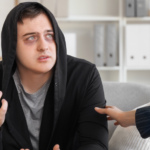
A note for families. If you’re a parent or partner noticing changes in a young person, the signs can look different from the outside: withdrawing from family life, a drop in performance at school, university or work, a new circle of friends, unexplained spending, disrupted sleep, or low motivation that doesn’t seem to lift. None of these alone means someone is dependent, but a combination is worth a calm, non-judgemental conversation and professional advice if you’re worried.

What Does Cannabis Withdrawal Feel Like?

Cannabis withdrawal is real, and for many people it is the main reason previous attempts to stop haven’t lasted. Common cannabis withdrawal symptoms include:

  • Insomnia and disturbed sleep, often with unusually vivid or intense dreams
  • Irritability, anger or a short temper
  • Loss of appetite and sometimes weight loss
  • Anxiety, restlessness and low mood
  • Strong cravings to use

As a general orientation, symptoms often begin within one to three days of stopping and tend to be most intense during the first week. For many people, most symptoms ease over the following couple of weeks, although sleep problems and low mood can sometimes linger for longer. Experiences vary widely depending on how much and how long someone has been using, their overall health, and whether other substances are involved.

This information is educational and is not a guide to managing withdrawal on your own. If you are also using alcohol, prescription medication or other drugs, have an existing mental health condition, or find your symptoms overwhelming, it’s important to speak to a doctor or addiction professional. If you ever experience severe low mood or thoughts of harming yourself, contact a doctor or your local emergency services straight away.

Why Cannabis Is Often Used to Self-Medicate Anxiety

Of all the patterns we see in cannabis dependence, the link with anxiety is one of the most common and one of the most misunderstood. Many people start using cannabis, or start using it more heavily, because it seems to calm them down. And in the short term, it often does.

The problem is what happens over time. The cycle typically looks like this:

  1. Temporary relief. Cannabis takes the edge off anxious thoughts, helps with sleep and makes stress feel more manageable.
  2. Tolerance. The brain adapts, and the same amount brings less relief. More cannabis is needed to achieve the same calm.
  3. Dependence. The brain’s own capacity to regulate stress becomes less practised, and cannabis becomes the main tool for managing it.
  4. More anxiety. Between uses or when trying to stop anxiety returns, often more intensely than before.

That last stage is what makes the cycle so convincing. When withdrawal brings a surge of anxiety, it feels like the original problem coming back, which seems to confirm the belief that “I need cannabis to cope”. In reality, part of that anxiety may be driven by the dependence itself. On top of this, high-THC cannabis can directly trigger anxiety or paranoia in some people, and in vulnerable individuals heavy use of potent cannabis has been associated with more serious mental health effects.

Understanding what drives this cycle the emotional states, situations and thought patterns that lead someone to reach for cannabis is a central part of treatment. You can read more about this in our article on Triggers of Drug Use. In practice, effective support usually looks at anxiety and cannabis use together, rather than treating one and ignoring the other.

An Honest Self-Check: Have You Noticed…?

These questions aren’t a diagnostic test, and there are no “right” answers. They are simply an invitation to look honestly at your relationship with cannabis.

  • Have you noticed that you use more, or more often, than you did a year ago?
  • Do you find yourself planning your day or evening around when you can use?
  • Have you tried to take a break and found it much harder than you expected?
  • Do you feel irritable, anxious or unable to sleep when you go without?
  • Do you use cannabis mainly to manage stress, anxiety or low mood?
  • Have people close to you expressed concern and have you found yourself minimising it?
  • Have you lost interest in activities or people that used to matter to you?
  • Do you feel uneasy when your supply is running low?
  • Have you continued using despite noticing an effect on your work, studies, finances or mental health?

If several of these questions resonate, it may be a sign that cannabis is playing a bigger role in your life than you’d like. That isn’t a verdict on who you are it’s useful information, and a good reason to talk things through with a professional.

Why Early Intervention Matters

Because cannabis dependence often develops quietly, many people wait until they hit a crisis before seeking help. But there are real advantages to reaching out earlier.

Patterns are less entrenched. The longer a habit runs, the more deeply it becomes woven into daily routines, relationships and ways of coping. Addressing it earlier generally means there is less to untangle.

Mental health can be protected. Given the close relationship between heavy cannabis use and anxiety or low mood, getting support sooner can help prevent these difficulties from deepening.

Consequences can be limited. Seeking help before problems at work, in education or at home escalate gives you more room to rebuild without starting from a place of crisis.

Relationships have more space to recover. Families and partners are often relieved when someone acknowledges a problem, and early conversations tend to be less strained than those that come after years of tension.

It’s worth being honest, too: asking for help is the beginning of a process, not an instant solution. Recovery involves effort, setbacks and learning new ways of coping. But you don’t need to wait until things are unbearable to take that first step.

What Treatment for Cannabis Dependence Looks Like at Revelia

At Revelia Recovery Center, treatment for cannabis dependence begins with a personalised clinical assessment. We look not only at the pattern of cannabis use, but at the whole person: their mental health, sleep, relationships, work, any other substances involved, and what cannabis has been doing for them emotionally.

From there, treatment combines evidence-based approaches with holistic practices:

  • Cognitive behavioural therapy (CBT) to identify the thoughts, situations and emotions that drive use, and to build practical alternatives for managing stress and anxiety
  • Group therapy, where clients often find enormous relief in realising they are not alone in their experience
  • Family therapy and support, helping loved ones understand dependence and rebuild trust and communication
  • Holistic practices such as mindfulness, yoga, art and nature-based activities, which support emotional regulation and sleep

Our residential programme is inspired by the Minnesota Model and is non-religious. Because Revelia is a small centre with a maximum of ten clients, each person receives genuinely individual attention from our international, English-speaking team. Treatment isn’t a “bubble” either outings, city walks and gradual social reintegration are part of the process, so that new coping skills are practised in real life, not just in theory.

For many of our clients from the UK and across Europe, the setting itself makes a difference. Our centre in Güímar, on the coast of Tenerife, offers distance from everyday triggers, complete confidentiality and a calm environment in which to focus fully on recovery. If you’re looking into cannabis rehab in Spain, or cannabis addiction treatment in Spain for expats, you can find full details of our approach on our marijuana addiction treatment in Spain page, or explore our wider drug addiction treatment programmes.

Recovery Starts with an Honest Conversation

Cannabis dependence rarely announces itself. It tends to grow quietly, often hidden behind the idea that it “isn’t really addictive” or that you can stop whenever you want. If you’ve read this far and recognised yourself or someone you care about in these pages, that recognition matters.

This is not a moral failing, and recognising it is the hardest and most important step. The next step doesn’t have to be a big decision. It can simply be a conversation with someone who understands, with no pressure and no judgement.

Our team is here to listen, answer your questions and explain what cannabis addiction treatment at Revelia could look like for you. If you’d like to understand what happens from first contact to arrival, you can read about our Admission Process.

Ready to Take the First Step?

If you or a loved one are facing addiction and are looking for effective and affordable residential treatment in Spain, our team is here to help you. Contact Revelia Recovery Center today for a free and 100% confidential consultation.

Revelia Recovery Center

📍 Located in Tenerife, Canary Islands

📱 Call us to +34 634 84 71 77 or contact us by WhatsApp

CONTACT US! 100% CONFIDENTIAL

    By submitting this form you accept the Privacy Policies. Your data will not be used by third parties.

    Author Profile
    Monitor & Clinical Psychologist

    Lucía Silva

    Monitor & Clinical Psychologist

    Lucía Silva, a Clinical Psychologist, specializes in addiction recovery and group facilitation, with experience in NA and AA programs. She focuses on empathy and the 12-Step approach, creating a supportive environment for long-term healing.