

Deciding to seek treatment for addiction is one of the most significant decisions a person can make. Deciding to seek that treatment abroad adds another layer of questions practical, emotional, and clinical. Is it safe? Will the standard of care be high enough? Will the team speak my language? Will my family be able to reach me?
These are not signs of hesitation. They are the right questions to ask, and they deserve honest answers.
More and more people from the UK and across Europe are choosing to access residential addiction treatment outside their home country. The reasons vary cost, confidentiality, the clinical value of physical distance from triggers but the decision-making process is the same: you need a clear framework for evaluating what you are actually getting.
This guide provides exactly that. It is not a sales pitch for any specific centre. It is a practical, clinical checklist designed to help you or someone you love assess any private rehab abroad and to know what a genuinely high-quality programme looks like.
Why People Choose Private Rehab Abroad
Before getting into the checklist, it helps to understand why international rehab has grown as a meaningful option not as a last resort, but as a deliberate therapeutic choice.
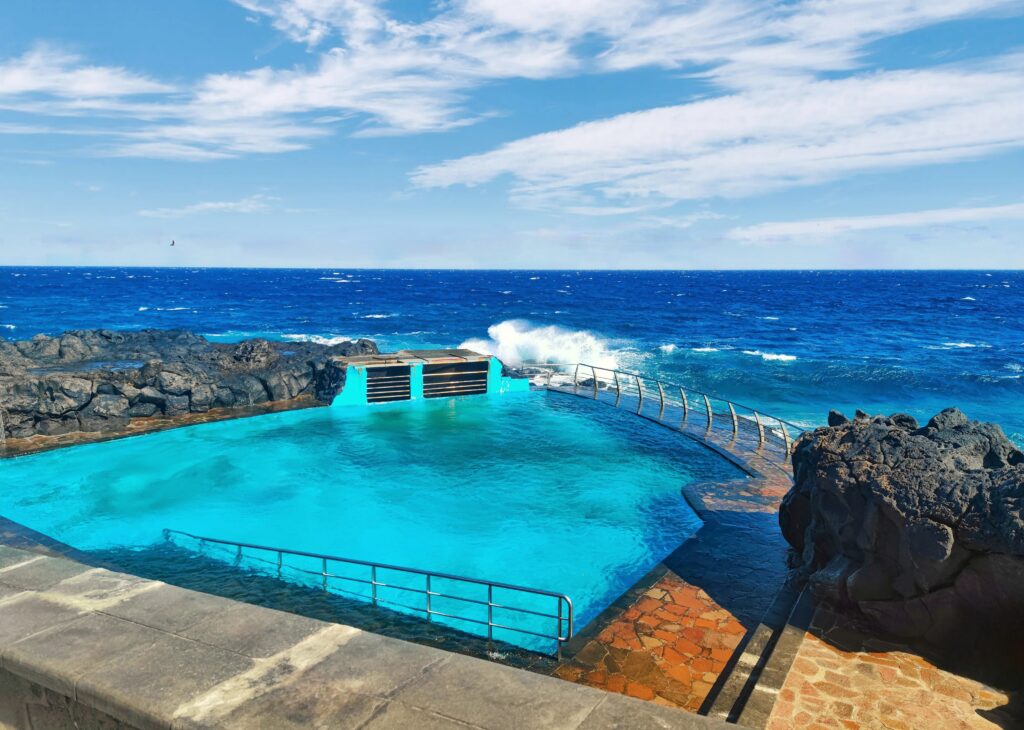
Cost is often the first factor. Private residential treatment in the UK carries significant costs, and the same standard of care or a higher one is frequently available in Southern Europe at considerably lower prices. Tenerife, for example, offers year-round stable climate, experienced clinical teams, and full residential programmes at a fraction of comparable UK costs.
Distance from triggers is a clinically recognised factor in early recovery. Leaving the physical environment associated with use the streets, the social circles, the routines reduces the constant activation of craving responses. This is not about running away from problems; it is about creating the neurological and psychological conditions that make therapeutic work possible.
Confidentiality is another consideration that matters more than people often admit. Many people professionals, parents, public figures find it genuinely easier to engage with treatment when they are geographically separated from their usual social networks. The risk of being seen, recognised, or spoken about is reduced. This privacy often enables more honest participation in therapy.
Language is the final factor. Not all rehab abroad means navigating a foreign language. Many European centres have fully English-speaking clinical teams, making the therapeutic process no less effective than it would be at home and sometimes more so, given the other factors above.
Cost of Rehab in the UK vs Spain - is it really cheaper?
The Checklist: 10 Things to Evaluate Before Choosing a Private Rehab Abroad
1. Clinical Approach: Evidence-Based or Undefined?
The most important thing to establish is what the programme actually does therapeutically. A high-quality residential rehab should be able to describe its clinical methodology clearly and specifically.
Look for centres that combine evidence-based therapies such as Cognitive Behavioural Therapy (CBT), group therapy, and structured family involvement with a clear theoretical framework. In residential addiction treatment, the Minnesota Model is one of the most established and widely used frameworks internationally, emphasising abstinence, peer support, and structured therapeutic progression.
Be cautious of centres that describe their approach in vague terms (“holistic healing,” “transformative retreat”) without specifying what the therapeutic schedule looks like day to day. Holistic practices such as mindfulness, art therapy, yoga, and nature-based activities can be genuinely valuable when they complement clinical work, not replace it.
Ask directly: What does a typical week in your programme look like?
2. Staff Qualifications and Team Composition
The clinical team is the programme. Ask specifically about:
- The qualifications of therapists (are they licensed psychologists or clinical therapists, or counsellors without formal clinical training?)
- Whether there is medical supervision available, particularly for detox and withdrawal management
- The ratio of clinical staff to residents smaller groups allow more personalised attention
- Whether the team has experience with your specific addiction type
A credible centre will answer these questions transparently. Vague responses about “experienced professionals” without specific credentials are a warning sign. Meet the team at Revelia →
3. Language of Therapy
This point is often underestimated. Therapy especially group therapy and individual sessions that require emotional depth is only as effective as the communication that takes place within it. If you are processing grief, trauma, or complex behavioural patterns, you need to do that in a language in which you can think and feel, not just translate.
For English speakers seeking treatment abroad, this means confirming that therapy sessions are conducted in English, not just that staff “speak English” at a basic level. Ask whether group therapy is in English, and whether the primary therapist you would work with is fluent.
4. Programme Structure and Length
Addiction treatment is not a brief intervention. Effective residential programmes typically require a minimum of 4 to 6 weeks of sustained engagement, and many clinical frameworks recommend longer stays for more complex presentations or long-standing dependencies.
Ask about:
- Minimum and recommended length of stay
- Whether the programme is fixed-duration or individually tailored
- What happens if clinical progress suggests a longer stay is needed
- What a typical day and week look like (structured time vs. unstructured)
A programme with too many unstructured hours in early recovery, or one that promises results in two weeks, warrants scrutiny.
5. Size of the Centre and Personalisation of Care
Residential rehab is not a product that benefits from economies of scale. Larger centres can offer more amenities, but smaller centres often deliver more personalised, clinically attentive care.
Ask how many residents the centre accepts at any one time. A maximum capacity of around 10 residents allows the clinical team to know each client in depth, adjust approaches in real time, and provide the kind of individual attention that is difficult to replicate in larger group settings.
Personalisation also extends to treatment planning: is your programme designed around your specific addiction, history, and circumstances or is it a standardised protocol applied to everyone?
6. Type of Addiction Treated
Not all centres treat all addictions with equal depth. Some specialise primarily in alcohol dependency; others have specific experience with stimulants, opioids, prescription drug misuse, or behavioural addictions such as gambling, sex addiction, or chemsex.
Confirm that the centre you are considering has documented experience with your specific addiction. This matters because the clinical profile of, say, cocaine addiction differs significantly from that of benzodiazepine dependency or gambling disorder in terms of withdrawal risk, relapse triggers, and therapeutic approach.
7. The Detox Question: Medical Supervision
Withdrawal from certain substances alcohol, benzodiazepines, opioids carries genuine medical risk and should never be managed without clinical oversight. This is non-negotiable.
Before committing to any residential programme abroad, confirm:
- Whether medically supervised detox is available on-site or through a formal partnership with a local clinic
- Whether a doctor or nurse is part of the care team
- What the protocol is in the event of a medical emergency
Centres that wave away the detox question, or that treat all withdrawals as manageable without medical input, should be approached with caution.
8. Family Involvement
Addiction rarely affects only the individual. Recovery is typically stronger and more sustained when family relationships are part of the therapeutic process not simply informed that treatment is happening, but actively involved in a structured way.
Ask whether the programme includes:
- Family therapy sessions (in person or remotely)
- Psychoeducation for family members about the nature of addiction
- A framework for navigating family relationships during and after treatment
A centre that treats the family as an afterthought is missing a clinically important dimension of recovery.
9. Life Beyond the Centre: Integration, Not Isolation
One risk of residential rehab abroad is the creation of what is sometimes called a “treatment bubble” an artificial environment that supports sobriety but bears no relationship to the conditions the person will return to. When the bubble bursts, so does the recovery.
The best residential programmes actively work against this by building real-world exposure into the treatment process structured outings, urban walks, social reintegration exercises so that clients practise navigating ordinary life while still supported by the clinical team.
Ask how the programme prepares residents for life after discharge, and whether reintegration activities are part of the treatment schedule.
10. Aftercare and Continuing Support
Leaving residential treatment is not the end of recovery it is the beginning of a new phase. What support exists once you return home?
High-quality programmes will offer, or actively connect clients with:
- A structured aftercare plan tailored to the individual
- Access to ongoing therapy (in person or remotely)
- Recommendations for local support networks or 12-step meetings in the client’s home country
- A named point of contact at the centre to reach out to if difficulties arise
Recovery does not have a fixed endpoint, and the best centres recognise that their responsibility extends beyond the discharge date.
A Note on Red Flags
As useful as the checklist above is, it is worth naming what poor-quality programmes tend to look like:
- Guaranteed outcomes or cure claims no ethical clinical team makes these
- Vague therapy descriptions without specific modalities or daily structure
- No mention of detox safety for substances that carry withdrawal risk
- No family involvement whatsoever
- Very short programmes (under three weeks) marketed as comprehensive
- No aftercare provision
- Pressure-based sales tactics legitimate centres will give you space to decide
Trust your instincts. A genuine clinical team will welcome your questions, take time to explain their approach, and never pressure you to commit before you are ready.
Is Going Abroad for Rehab Right for You?
The answer depends on your specific situation, the nature of your addiction, your support network at home, and what you genuinely need from the recovery environment.
What this checklist can do is help you ask better questions and evaluate the answers honestly. The right centre wherever it is located will be able to answer every point on it clearly and without evasion.
If you have questions about our admission process or want to understand whether Revelia is the right fit for your circumstances, our team is available to speak with you confidentially and without obligation.
Ready to Take the First Step?
If you or a loved one are facing addiction and are looking for effective and affordable residential treatment in Spain, our team is here to help you. Contact Revelia Recovery Center today for a free and 100% confidential consultation.
Located in Tenerife, Canary Islands
Call us to +34 634 84 71 77 or contact us by WhatsApp
CONTACT US! 100% CONFIDENTIAL

Lucía Silva
Lucía Silva, a Clinical Psychologist, specializes in addiction recovery and group facilitation, with experience in NA and AA programs. She focuses on empathy and the 12-Step approach, creating a supportive environment for long-term healing.