
Punta Prieta, Tenerife, Islas Canarias
Speak with a Specialist Today
Punta Prieta, Tenerife, Islas Canarias
Is It Worth It to Go to Rehab?

Is It Worth It to Go to Rehab?

Deciding whether to go to rehab is one of the most important — and often one of the most difficult — choices a person struggling with alcohol or drug addiction will ever make. The hesitation is completely normal. Many people question whether rehab truly works, whether it is necessary, or whether they should try to recover on their own first. Others worry about time away from work or family, or they fear the emotional vulnerability that comes with asking for help.

But behind this uncertainty lies a simple truth: rehab has helped millions of people rebuild their lives, and for many, it is the turning point that makes long-term recovery possible.

If you are reading this because you are wondering whether rehab is worth it, this guide will help you understand what you can expect, why professional treatment is so different from trying to quit alone, and how rehab can transform not just your relationship with substances — but your entire future.

The Real Question: Why Are You Considering Rehab?

Before analysing whether rehab is “worth it,” it’s important to reflect on what brought you to this point. People often consider rehab when they notice that alcohol or drug use is affecting key areas of their life, such as:

  • Health and energy levels
  • Mental and emotional wellbeing
  • Relationships and family stability
  • Work performance or motivation
  • Ability to control or limit use

Rehab becomes an option not because someone is “weak” or has “failed,” but because addiction is a medical condition that rewires the brain, weakens decision-making, and makes it extremely difficult to stop without structured support.

If your substance use is creating consequences you never wanted — or if you’ve tried to quit on your own and found it harder than expected — you are already asking the right question.

Why Rehab Works When Willpower Alone Doesn’t

Addiction is not a discipline problem. It is not solved by trying harder. It is a disorder that affects thought patterns, stress responses, emotions, sleep, motivation, and impulse control. Rehab works because it addresses every layer of addiction — physical, psychological, emotional, social and behavioural.

Trying to quit alone means dealing with cravings, withdrawal, triggers, emotional instability, and life pressures at the same time, often without tools or support. Rehab separates you from those pressures and gives you the structure and guidance needed to heal properly.

Rehab is worth it because:

  1. You are removed from triggers and access to substances
  2. You receive medical supervision during detox, which can prevent complications
  3. You learn powerful coping strategies that reduce relapse risk
  4. You rebuild emotional stability and self-awareness
  5. You gain community support from people who understand your struggle
  6. You create a foundation for long-term sobriety, not just temporary abstinence

Most importantly, rehab gives you a space where your only priority is healing — something nearly impossible to achieve in the middle of daily stress, responsibilities and temptation.

What Rehab Actually Offers: More Than People Expect

People often imagine rehab as simply a place where you stop using substances. In reality, a high-quality rehabilitation programme goes much deeper.

Medical Detox (When Needed)

Withdrawal can be physically and mentally overwhelming. In a professional setting, medical staff help stabilise the body, reduce discomfort and monitor safety.

Psychological Therapy

Addiction is deeply connected to thoughts, emotions and past experiences. Rehab helps you understand the root causes, not just the behaviours.

Emotional Healing

Therapies such as CBT, trauma-informed therapy, mindfulness, group therapy and family work help rebuild confidence, trust and emotional regulation.

Structure and Routine

For many people, addiction brings chaos. Rehab replaces it with stability, predictability and healthy habits.

A Supportive Community

Being surrounded by others who understand your journey reduces isolation and strengthens motivation.

Relapse-Prevention Tools

Rehab prepares you for life after treatment — teaching you how to manage cravings, avoid triggers and maintain long-term sobriety.

When people leave rehab, they don’t just leave sober — they leave stronger, clearer, more confident and more connected to themselves than they have been in years.

Is Rehab Worth It Even if You’re Not “Rock Bottom”?

Absolutely. The idea that someone must hit rock bottom before entering treatment is a myth — and a dangerous one. Early intervention saves relationships, careers, health and even lives.

Rehab is worth it when:

  • Drinking or using is becoming harder to control
  • You think about alcohol or drugs more than before
  • You hide how much you consume
  • You wake up regretting your choices
  • You feel anxious or depressed because of your use
  • You try to cut down but can’t
  • You feel exhausted by the cycle of “I’ll stop tomorrow”

You don’t need to lose everything before getting help. Rehab is not a last resort — it’s a smart decision made at the right time.

The Cost of Not Going to Rehab

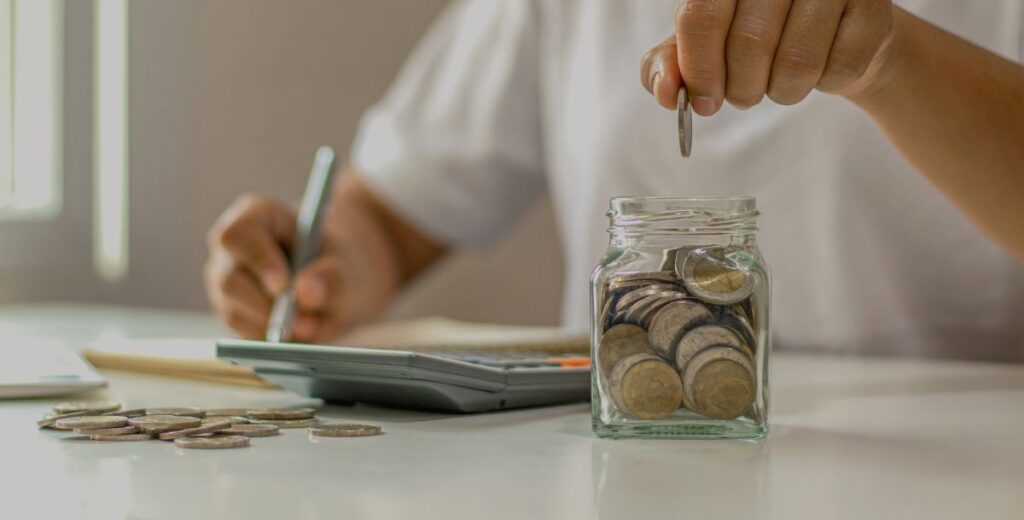
People often worry about the financial cost of treatment, but the hidden costs of addiction are far greater. Alcohol and drug dependence take a toll on physical health, mental health, relationships, work performance, and long-term life prospects.

The real cost appears gradually:

  • Lost opportunities
  • Strained relationships
  • Health issues
  • Declining self-esteem
  • Legal or financial consequences
  • Emotional exhaustion

Rehab is an investment not only in your health, but in your future. The value of recovery lasts a lifetime.

How Rehab Improves Life After Treatment

Many people who complete rehab report that life becomes more stable, meaningful and fulfilling. They rediscover motivation, rebuild relationships, perform better at work, make healthier choices and reconnect with a sense of purpose.

Rehab teaches skills that continue long after the programme ends, such as emotional regulation, stress management, healthy communication and resilience.

Sobriety is not just the absence of alcohol or drugs — it is the presence of clarity, peace, confidence and self-respect.

So… Is It Worth It to Go to Rehab?

If alcohol or drug use is affecting your life, and if you want to break the cycle in a safe and structured environment, yes — rehab is worth it.

Not because it’s easy, but because it gives you the tools, support and stability needed to rebuild your life in a way that self-recovery rarely can.

Rehab offers direction when everything feels chaotic, hope when motivation disappears, and safety when cravings or emotional struggles feel too strong to face alone.

Most importantly, rehab offers the possibility of a future that is not controlled by addiction.

If You’re Considering Rehab, You’re Already Closer Than You Think

The fact that you’re reading about rehab — even quietly, even with doubts — means you’ve already taken one of the most important steps in the entire recovery process: acknowledging that something needs to change. Most people reach this stage long before they feel “ready,” but readiness is not a requirement for transformation. Awareness is.

If you’re exploring options and trying to understand whether professional help might be the right path, you should know that you don’t have to do this alone. Centres offering addiction treatment in Spain, such as Revelia Recovery Center, provide a calm and supportive environment where you can begin recovery with privacy, distance from daily stress, and guidance from professionals who specialise in helping people rebuild their lives.

Considering rehab means you already sense that life could be different — healthier, lighter, more stable, and more aligned with who you want to be. And that intuition is often the first clear sign that rehabilitation is worth it.

Whenever you’re ready, help is waiting.

Ready to Take the First Step?

If you or a loved one are facing any type of addiction and are looking for effective and affordable treatment in Spain, our team is here to help you. Contact Revelia Recovery Center today for a free and 100% confidential consultation, and begin your path to recovery in a calm and supportive environment. 

Revelia Recovery Center

📍 Located in Tenerife, Canary Islands
📱 Call us to +34 634 84 71 77 or contact us by WhatsApp
CONTACT US! 100% CONFIDENTIAL

    By submitting this form you accept the Privacy Policies. Your data will not be used by third parties.

    Author Profile
    Pablo Vallejo – Monitor & Forensic Psychologist

    Pablo Vallejo

    Forensic and Penitentiary Psychologist. Master's in Psychopharmacology and Substance Abuse

    Pablo Vallejo holds a degree in Forensic Sciences, Forensic and Penitentiary Psychology from the Universidad Autónoma de Madrid and a Master's Degree in Psychopharmacology and Drugs of Abuse from the Universidad Complutense de Madrid. His expertise spans clinical psychology, forensic sciences and psychopharmacology, allowing him to offer a comprehensive and evidence-based approach to addiction recovery.

    Pablo has coordinated treatment programs that have successfully reduced substance use disorders. Experienced in the 12-step method and the Prochaska and DiClemente model, he integrates scientific research and ethical practices into his work, ensuring effective and personalized care.